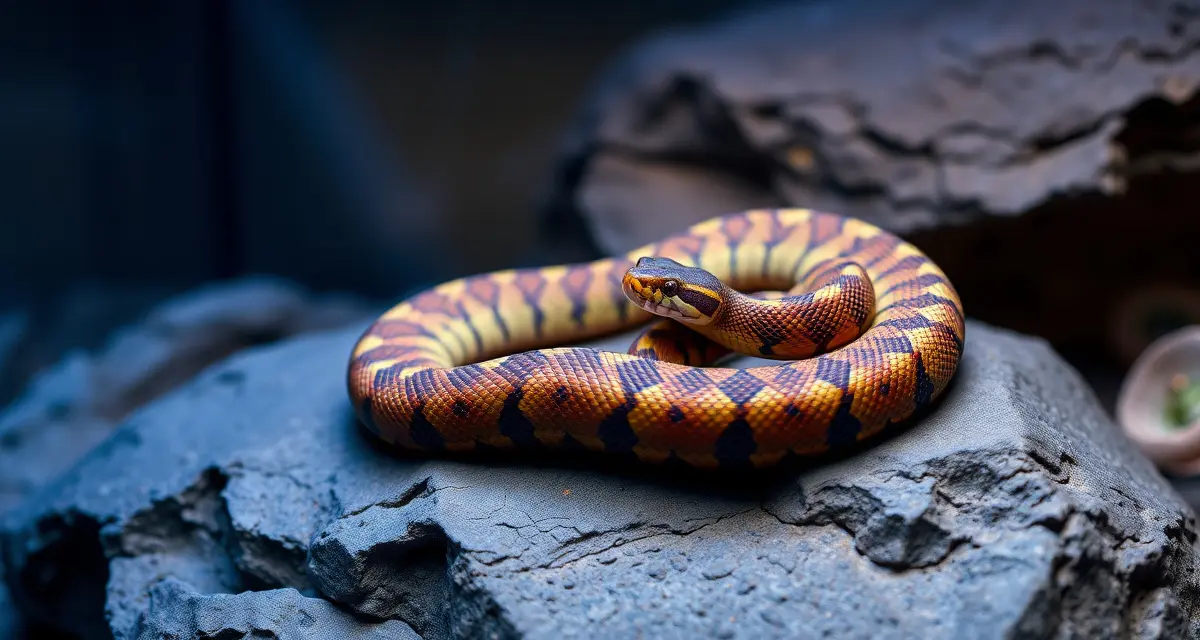
Corn Snake Seasonal Cycling: Complete Breeder Guide
Corn snake seasonal cycling is the most important preparation you can do before a breeding season. Without proper cooling, breeding success rates drop and clutch quality suffers. With it, corn snakes become among the most reliable and productive breeders you can work with. Breeders using integrated software report 30% less time on administrative tasks, freeing up the planning and preparation time that seasonal cycling requires.
TL;DR
- Corn snakes (Pantherophis guttatus) are the most widely bred colubrid in captivity, with hundreds of documented morphs spanning all three major inheritance patterns.
- Seasonal cycling of 60-90 days at 50-60 degrees Fahrenheit is the standard cycling protocol for reliable spring breeding.
- Clutch sizes average 12-24 eggs for adult females, with experienced breeders often producing 2 clutches per season from well-conditioned females.
- Incubation setup runs 55-65 days at 78-82 degrees Fahrenheit, cooler than most python species.
- Corn snake morph genetics include multiple allelic series, including the amelanistic and anerythristic pathways, that interact in non-obvious ways.
The Biological Basis for Cycling
Corn snakes (Pantherophis guttatus) are native to the southeastern United States, where they experience genuine winters with significantly cooler temperatures. This winter cooling period is essential for proper reproductive cycling. It resets the female's reproductive system for the upcoming season, triggers sperm development in males, and ensures that eggs develop properly when breeding occurs.
Captive animals maintained at constant warm temperatures year-round often produce smaller clutches, lower fertility rates, or fail to breed altogether. Even one breeding season without proper cooling can disrupt a female's reproductive pattern.
The Corn Snake Cooling Protocol
Pre-Cooling Preparation
Before cooling begins, ensure:
- All animals are well-fed and at healthy body weight
- No animal has an undigested meal (wait 2 weeks after the last feeding before cooling begins)
- Animals are healthy with no active illness or parasite loads
- Cooling space is set up and verified at target temperature
Don't cool animals that are underweight, sick, or in poor condition. The physiological stress of cooling on an already compromised animal can cause serious harm.
Cooling Timeline and Temperatures
Start cooling: Mid-November to early December
Target temperature: 55-65°F
Duration: 60 to 90 days
End of cooling: Late January to mid-February
Reduce temperatures gradually over 2 to 3 weeks rather than dropping abruptly. A 5°F drop per week from normal temperatures is a reasonable transition rate.
Maintain this temperature range consistently throughout the cooling period. Temperatures above 68°F aren't cold enough to be effective. Temperatures below 50°F risk health problems.
During cooling, provide water but stop feeding routinely. Animals at 55-65°F have extremely slow metabolisms and don't need regular meals. Some breeders offer food once a month; most stop feeding entirely for the cooling duration.
Log your cooling start date, target temperature, and actual measured temperatures periodically. If your cooling space experiences unexpected temperature swings, note those in your records alongside any subsequent animal health or breeding observations.
The Warm-Up Period
Beginning in late January or February, gradually raise temperatures back to normal over 2 to 3 weeks. Resume offering food as animals warm; most corn snakes eat eagerly immediately after the cooling period ends.
The warm-up period is also when you assess female body condition for breeding readiness. A female that's maintained good weight through the cooling period and resumes eating promptly is ready for introduction relatively quickly after warming. A female that lost significant weight may need extra feeding time before she's in optimal breeding condition.
Cycling Males
Males need cycling just as females do. Run your males through the same cooling protocol. A properly cycled male will actively court females and participate readily in breeding introductions. An uncooled male may show minimal interest even in a receptive female.
What Proper Cycling Produces
When your cycling protocol is executed correctly, you'll observe:
- Females resuming feeding quickly post-warm-up
- Active courtship behavior during first introductions
- Higher lock-up rates during introductions
- Larger clutch sizes compared to uncooled or poorly cooled animals
- Better fertility rates (lower slug rates) in resulting clutches
Document all of these outcomes against your cooling parameters in HatchLedger's reptile breeder hub. Over multiple seasons, you'll develop a clear picture of what cooling duration and temperature produces your best results.
Adjusting for Individual Animals
Not all corn snakes respond identically to the same cycling protocol. Some females are more sensitive to cooling duration; some males cycle more quickly. Your individual animal records, built across seasons, tell you which animals need adjustments to the standard protocol.
An animal that never produces well despite consistent cycling may have an underlying health issue. A fecal exam for parasites or a vet consultation may reveal the cause. Reptile breeder software comparison resources highlight that multi-season data is only actionable if it's stored in a system that makes it easy to compare protocols to outcomes across years.
Frequently Asked Questions
What is the best approach to corn snake seasonal cycling?
Cool animals for 60 to 90 days at 55-65°F starting in November or December. Ensure all animals are healthy and well-fed before cooling begins with no undigested meals at the start of the cool period. Reduce temperatures gradually, stop routine feeding during cooling, provide water, and then warm gradually in late January or February. Resume feeding promptly and allow females to rebuild condition before introducing males. Log cooling start and end dates, actual temperatures, and post-cooling feeding responses for every animal.
How do professional breeders handle corn snake seasonal cycling?
Professional corn snake breeders run consistent, documented cycling protocols with recorded start and end dates, measured temperatures, and individual animal observations throughout. They verify their cooling spaces reach and maintain target temperatures before cooling animals in them. They condition females in the months before cooling to ensure they enter the cooling period at optimal weight. After each season, they compare their cooling protocol records to breeding outcomes to identify whether protocol adjustments produced better results for specific animals.
What software helps manage corn snake seasonal cycling?
HatchLedger is purpose-built for reptile breeders, connecting animal records, breeding history, clutch outcomes, and financial tracking in one system. Unlike generic spreadsheets, it's designed around the specific workflow of an active breeding season. Free for up to 20 animals.
Can corn snakes produce two clutches in a single breeding season?
Yes, many adult corn snake females will double-clutch reliably, especially when kept at ideal temperatures and fed aggressively between clutches. Allow females at least 4-6 weeks of heavy feeding between the first and second clutch. Tracking body weight before and after each clutch helps assess whether a female is in condition for a second clutch that season.
What temperature should corn snake eggs be incubated at?
Corn snake eggs incubate best at 78-82 degrees Fahrenheit. Higher temperatures up to 84 degrees accelerate development but reduce the hatch window and can increase developmental problems. Below 75 degrees slows development significantly. Unlike ball python eggs, corn snake eggs tolerate a wider temperature range reasonably well.
What are the most profitable corn snake morphs for breeders?
Multi-gene combination morphs command the highest prices. Motley, Tessera, and Scaleless are structural genes that add significant value to color morph animals. Scaleless corn snakes in particular fetch $300-800 or more depending on color morph combination. Single-gene morphs like Amelanistic and Anerythristic are common and prices are compressed; combinations including structural genes maintain stronger margins.
Sources
- USARK (United States Association of Reptile Keepers)
- Association of Reptilian and Amphibian Veterinarians (ARAV)
- Herpetological Review (Society for the Study of Amphibians and Reptiles)
- Reptiles Magazine (Bowtie Inc.)
- Society for the Study of Amphibians and Reptiles (SSAR)
Get Started with HatchLedger
Corn snake breeders managing multiple morphs, double-clutching females, and complex genetic documentation benefit from a system that links animal records to clutch outcomes and keeps morph genetics traceable across generations. HatchLedger handles all of this, free for up to 20 animals.