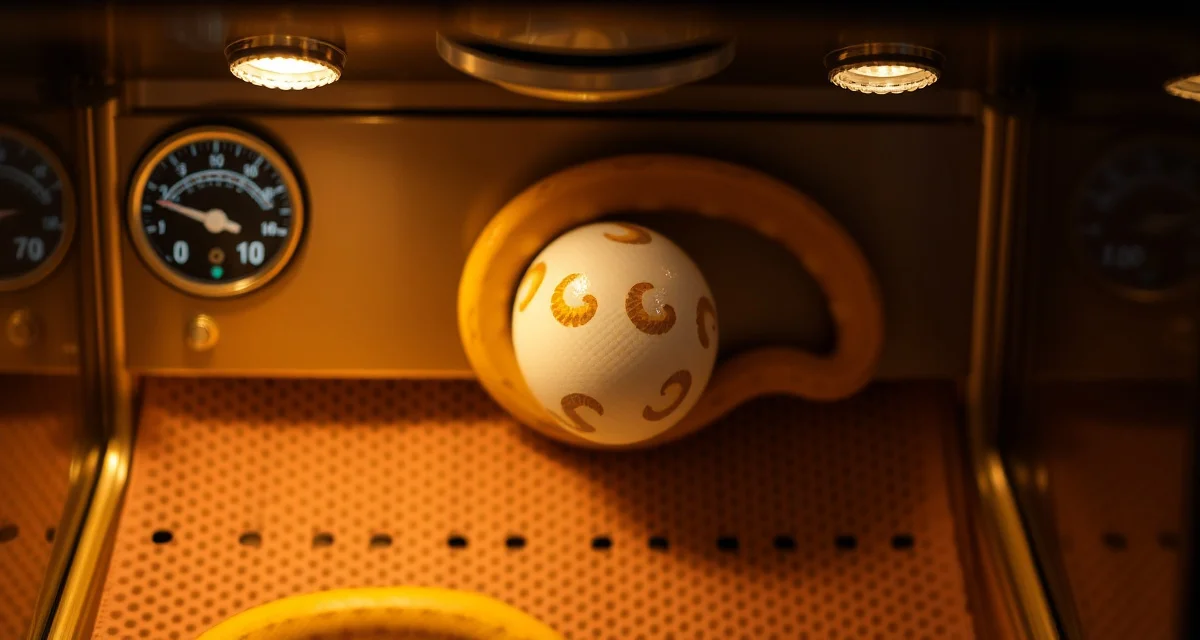
Corn Snake Incubation Parameters: Complete Breeder Guide
Corn snake incubation parameters are among the most flexible in the reptile breeding world. Corn snake eggs tolerate a reasonable range of temperatures and humidities compared to tropical pythons, making successful incubation achievable with modest equipment. That said, understanding optimal parameters, what to avoid, and how to monitor your incubation allows you to maximize hatch rates and minimize losses. Breeders using integrated software report 30% less time on administrative tasks, freeing time for the monitoring that protects your clutch.
TL;DR
- Corn snakes (Pantherophis guttatus) are the most widely bred colubrid in captivity, with hundreds of documented morphs spanning all three major inheritance patterns.
- Seasonal cycling of 60-90 days at 50-60 degrees Fahrenheit is the standard cycling protocol for reliable spring breeding.
- Clutch sizes average 12-24 eggs for adult females, with experienced breeders often producing 2 clutches per season from well-conditioned females.
- Incubation runs 55-65 days at 78-82 degrees Fahrenheit, cooler than most python species.
- Corn snake morph genetics include multiple allelic series, including the amelanistic and anerythristic pathways, that interact in non-obvious ways.
Target Incubation Parameters
Temperature
The standard incubation temperature range for corn snake eggs is 78 to 82°F (25.5 to 27.8°C), with 80°F being a common target. Temperature affects both incubation duration and hatchling quality. Higher temperatures within the safe range produce faster hatches; lower temperatures extend duration but are generally well-tolerated.
Temperatures above 84°F for sustained periods can cause developmental defects. Temperatures below 75°F are survivable for brief periods but significantly extend incubation and may reduce hatch rates for extended exposure.
Verify your incubator temperature with a probe at egg level. A secondary thermometer helps confirm your readings are accurate.
Humidity
Corn snake eggs require moderate humidity, typically 80 to 100% relative humidity within the egg container. The easiest way to achieve this is through a semi-moist substrate in a sealed or semi-sealed container.
Vermiculite at a 1:1 weight ratio (vermiculite to water) is the most widely used substrate for corn snake eggs. It provides appropriate moisture, good structural support, and easy visual moisture assessment.
Perlite at a 1:0.5 ratio works similarly. Some breeders prefer perlite because it's less likely to compact around eggs.
Incubation Duration
At 80°F, corn snake eggs typically hatch in 55 to 65 days. At slightly warmer temperatures (82°F), expect hatching around 50 to 58 days. At cooler temperatures (78°F), incubation extends to 60 to 75 days.
Log your incubation start date and calculate your expected hatch window based on your temperature setting. Prepare your hatchling setup before eggs are due, not on the day they pip.
Setting Up Your Incubator
A dedicated reptile incubator, a converted wine cooler, or even a room maintained at appropriate temperatures can work for corn snake eggs. Consistency matters more than the type of equipment.
Use a thermostat to maintain stable temperatures. Significant temperature swings even within the acceptable range are less desirable than stable conditions at either end of the range.
Position your incubation containers in the center of the incubator to avoid hot or cold spots near the walls. If you're running multiple clutches, confirm that different positions in the incubator are within 1 to 2°F of each other.
Monitoring and Candling
Check your incubation containers every 7 to 10 days. Assess:
- Substrate moisture level (add small amounts of water around the edges if it's drying)
- Egg condition (any visible deflation, discoloration, or mold)
- Incubator temperature stability
Candle eggs at 10 to 14 days after lay. Corn snake eggs are relatively thin-shelled, making candling straightforward. Viable eggs show obvious vascularization and a dark embryo mass. Infertile eggs remain uniformly opaque or show progressive discoloration and collapse.
Log every candling result in your clutch record in HatchLedger's reptile breeder hub. This data, combined with your temperature and humidity notes, gives you the information to troubleshoot any hatch problems and improve future seasons.
Common Mistakes to Avoid
Skipping the secondary temperature check. Incubator displays often differ from actual egg-level temperatures. A $10 secondary thermometer with a probe is a worthwhile investment.
Over-wetting substrate. Substrate should feel moist, not wet. Water dripping out when you squeeze substrate is too much. Soggy substrate can cause eggs to absorb too much water and potentially compromise the embryo.
Opening containers too frequently. Humidity equilibrium within the container resets every time you open it. Limit checks to every 7 to 10 days.
Not removing infertile eggs promptly. Rotting infertile eggs release bacterial contamination. Remove confirmed slugs at candling.
Not watching the reptile breeder software comparison of tools available. Breeders who log incubation data consistently across seasons get better at identifying what conditions produce their best hatch rates.
Frequently Asked Questions
What is the best approach to corn snake incubation parameters?
Target 80°F with 80 to 100% humidity in a semi-sealed container with vermiculite or perlite substrate at appropriate moisture ratios. Verify temperature at egg level with a secondary probe. Candle at 10 to 14 days to assess fertility and remove infertile eggs. Check containers every 7 to 10 days and log all observations. Corn snake eggs are more forgiving than tropical python eggs, but consistent parameters and regular monitoring still produce significantly better hatch rates than a neglected setup.
How do professional breeders handle corn snake incubation parameters?
Professional corn snake breeders verify their incubator setup before each season, maintain consistent monitoring schedules, and log every incubation check. They candle clutches at multiple points during incubation to track development and catch problems early. After each season, they review their incubation data alongside hatch rate outcomes. Many keep incubation records connected to their breeding and sale records so they can see how incubation conditions affected the profitability of each clutch.
What software helps manage corn snake incubation parameters?
HatchLedger is purpose-built for reptile breeders, connecting animal records, breeding history, clutch outcomes, and financial tracking in one system. Unlike generic spreadsheets, it's designed around the specific workflow of an active breeding season. Free for up to 20 animals.
Can corn snakes produce two clutches in a single breeding season?
Yes, many adult corn snake females will double-clutch reliably, especially when kept at ideal temperatures and fed aggressively between clutches. Allow females at least 4-6 weeks of heavy feeding between the first and second clutch. Tracking body weight before and after each clutch helps assess whether a female is in condition for a second clutch that season.
What temperature should corn snake eggs be incubated at?
Corn snake eggs incubate best at 78-82 degrees Fahrenheit. Higher temperatures up to 84 degrees accelerate development but reduce the hatch window and can increase developmental problems. Below 75 degrees slows development significantly. Unlike ball python eggs, corn snake eggs tolerate a wider temperature range reasonably well.
What are the most profitable corn snake morphs for breeders?
Multi-gene combination morphs command the highest prices. Motley, Tessera, and Scaleless are structural genes that add significant value to color morph animals. Scaleless corn snakes in particular fetch $300-800 or more depending on color morph combination. Single-gene morphs like Amelanistic and Anerythristic are common and prices are compressed; combinations including structural genes maintain stronger margins.
Sources
- USARK (United States Association of Reptile Keepers)
- Association of Reptilian and Amphibian Veterinarians (ARAV)
- Herpetological Review (Society for the Study of Amphibians and Reptiles)
- Reptiles Magazine (Bowtie Inc.)
- Society for the Study of Amphibians and Reptiles (SSAR)
Get Started with HatchLedger
Corn snake breeders managing multiple morphs, double-clutching females, and complex genetic documentation benefit from a system that links animal records to clutch outcomes and keeps morph genetics traceable across generations. HatchLedger handles all of this, free for up to 20 animals.