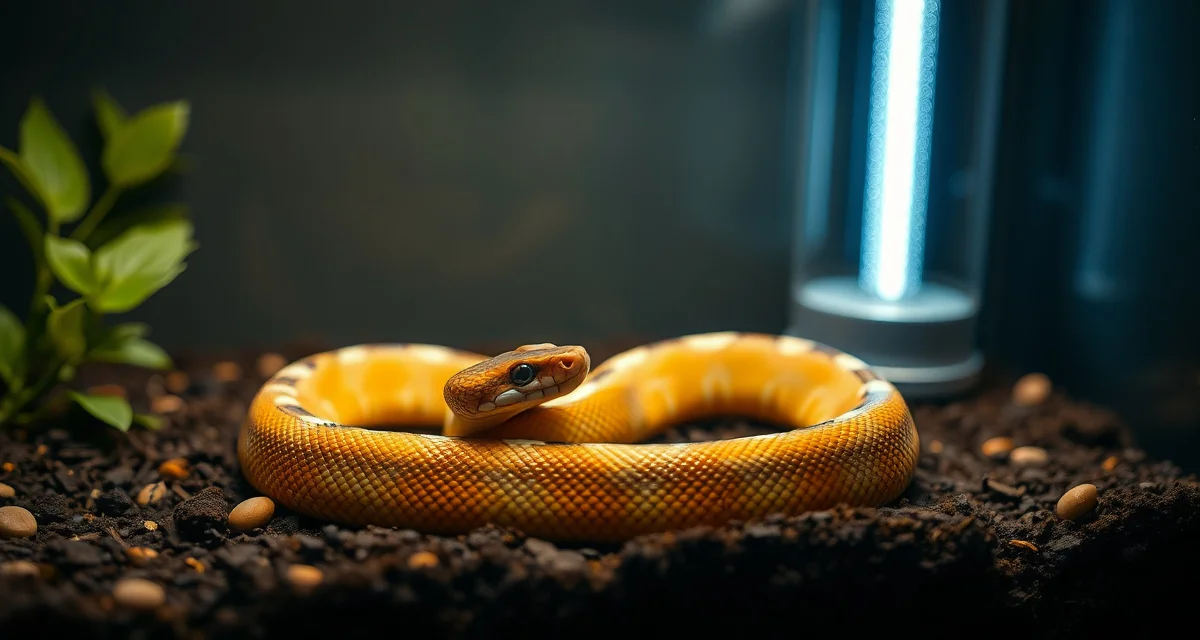
Corn Snake Husbandry for Breeders: Complete Breeder Guide
Corn snake husbandry for breeders goes beyond the basics of keeping a pet snake. When your animals' health and condition directly affect clutch quality, clutch size, and long-term program productivity, every husbandry decision matters more. Breeders using integrated software report 30% less time on administrative tasks, and that time is better invested in the hands-on care that keeps breeding animals in peak condition.
TL;DR
- Corn snakes (Pantherophis guttatus) are the most widely bred colubrid in captivity, with hundreds of documented morphs spanning all three major inheritance patterns.
- Seasonal cycling of 60-90 days at 50-60 degrees Fahrenheit is the standard cycling protocol for reliable spring breeding.
- Clutch sizes average 12-24 eggs for adult females, with experienced breeders often producing 2 clutches per season from well-conditioned females.
- Incubation setup runs 55-65 days at 78-82 degrees Fahrenheit, cooler than most python species.
- Corn snake morph genetics include multiple allelic series, including the amelanistic and anerythristic pathways, that interact in non-obvious ways.
Housing Adult Corn Snakes
Adult breeding corn snakes do well in enclosures ranging from small plastic tubs to larger vivarium-style setups, depending on your program size and aesthetic preferences. For a collection-scale breeding operation, PVC or plastic rack systems with individual tubs are the practical choice. For smaller, display-oriented programs, larger individual enclosures showcase the animals better.
Minimum adult enclosure dimensions: A 40-gallon breeder tank equivalent (36" x 18" x 16") is appropriate for an adult corn snake. Smaller tubs can work in rack systems where the animal has room to fully extend.
Substrate options: Aspen shaving is the most widely used substrate for corn snakes. It allows burrowing, controls moisture well, and makes soiled sections easy to spot-clean. Coconut fiber and paper-based substrates also work. Avoid cedar or pine, which release compounds harmful to reptiles.
Hides: Every corn snake should have at least one hide on the warm side of its enclosure. A second hide on the cool side reduces stress. Corn snakes are secretive animals and feel more secure with cover.
Temperature Management
Maintain a thermal gradient with a warm side of 85-88°F and an ambient cool side of 72-76°F. Belly heat provided by an under-tank heater or heat tape on a thermostat is the most effective method for corn snakes.
All heat sources must be on quality thermostats. Burns from unregulated heat pads are a common injury in poorly managed corn snake collections. Verify probe placement and calibration periodically.
During the cooling period (pre-breeding), reduce temperatures to 55-65°F. This cooling is essential for successful cycling and should be managed carefully: too warm reduces cycling effectiveness, too cold risks health problems.
Feeding Protocols for Breeding Animals
Prey Selection
Adult corn snakes eat mice as their staple prey. Prey size should be approximately the same diameter as the snake's widest body point. Appropriately sized prey reduces regurgitation risk and produces clean feeding responses.
Frozen-thawed prey is preferred. It's more convenient, eliminates disease risk from live prey, and is safer for the snake. Source feeders from reputable suppliers and store them properly in a dedicated freezer.
Feeding Frequency and Conditioning
Adult corn snakes do well on a feeding schedule of every 7 to 14 days. Breeding females benefit from slightly increased feeding frequency in the months before cooling begins. Pre-breeding conditioning builds the body fat reserves that support follicle development and egg production.
Log every feeding event with date, prey size, and outcome. A female coming into breeding season should have a clear record of regular, consistent feedings with no extended gaps or multiple refusals.
Breeding Season Feeding Adjustments
During the cooling period, stop feeding entirely or offer food rarely if temperatures are maintained at the lower end of the range. Animals metabolize slowly during cooling and don't need regular feeding.
After warming, resume feeding within the first week as temperatures return to normal. Most corn snakes eat eagerly after cooling ends.
Health Monitoring for Breeders
Regular Weight Checks
Weigh breeding animals monthly outside of breeding season. This is your earliest indicator of health changes. A female slowly losing weight over three months needs attention before she enters the breeding season in poor condition.
Log weights in your animal records in HatchLedger's reptile breeder hub. A weight graph over 12 months tells you far more about a breeding animal's condition than a single measurement at breeding time.
Shed Quality
Log every shed date and assess completeness. Clean sheds indicate appropriate humidity and good health. Retained shed, particularly retained eye caps, signals a husbandry problem or health issue that should be addressed before breeding season.
Annual Health Assessment
A pre-breeding health check for your key breeding animals, ideally including a fecal exam for parasites, is a good investment. Parasite loads affect female condition and can reduce clutch quality. Catching and treating issues before breeding is far better than discovering them mid-season.
Reptile breeder software comparison resources consistently identify health record tracking as a core need. HatchLedger connects your animal's health log to their breeding outcomes so you can see directly whether health events correlated with reduced clutch performance.
Frequently Asked Questions
What is the best approach to corn snake husbandry for breeders?
Focus on consistent temperature management with appropriate thermal gradients, feed appropriately sized prey on a regular schedule, and weigh breeding females monthly to track condition year-round. Pre-breed conditioning with increased feeding frequency in the months before cooling starts produces better clutches. Log all feedings, sheds, and weight data in a system that makes it easy to review trends rather than needing to reconstruct history from memory or scattered notes.
How do professional breeders handle corn snake husbandry for breeders?
Professional corn snake breeders manage their animals' condition year-round with breeding outcomes in mind. They monitor weights monthly, adjust feeding frequency seasonally, and conduct health assessments before each breeding season. Their records show long-term condition trends for every breeding animal, which informs decisions about breeding readiness, retirement, and program investment. They maintain dedicated rack systems or collections with consistent environmental management and treat record-keeping as part of standard daily care.
What software helps manage corn snake husbandry for breeders?
HatchLedger is purpose-built for reptile breeders, connecting animal records, breeding history, clutch outcomes, and financial tracking in one system. Unlike generic spreadsheets, it's designed around the specific workflow of an active breeding season. Free for up to 20 animals.
Can corn snakes produce two clutches in a single breeding season?
Yes, many adult corn snake females will double-clutch reliably, especially when kept at ideal temperatures and fed aggressively between clutches. Allow females at least 4-6 weeks of heavy feeding between the first and second clutch. Tracking body weight before and after each clutch helps assess whether a female is in condition for a second clutch that season.
What temperature should corn snake eggs be incubated at?
Corn snake eggs incubate best at 78-82 degrees Fahrenheit. Higher temperatures up to 84 degrees accelerate development but reduce the hatch window and can increase developmental problems. Below 75 degrees slows development significantly. Unlike ball python eggs, corn snake eggs tolerate a wider temperature range reasonably well.
What are the most profitable corn snake morphs for breeders?
Multi-gene combination morphs command the highest prices. Motley, Tessera, and Scaleless are structural genes that add significant value to color morph animals. Scaleless corn snakes in particular fetch $300-800 or more depending on color morph combination. Single-gene morphs like Amelanistic and Anerythristic are common and prices are compressed; combinations including structural genes maintain stronger margins.
Sources
- USARK (United States Association of Reptile Keepers)
- Association of Reptilian and Amphibian Veterinarians (ARAV)
- Herpetological Review (Society for the Study of Amphibians and Reptiles)
- Reptiles Magazine (Bowtie Inc.)
- Society for the Study of Amphibians and Reptiles (SSAR)
Get Started with HatchLedger
Corn snake breeders managing multiple morphs, double-clutching females, and complex genetic documentation benefit from a system that links animal records to clutch outcomes and keeps morph genetics traceable across generations. HatchLedger handles all of this, free for up to 20 animals.