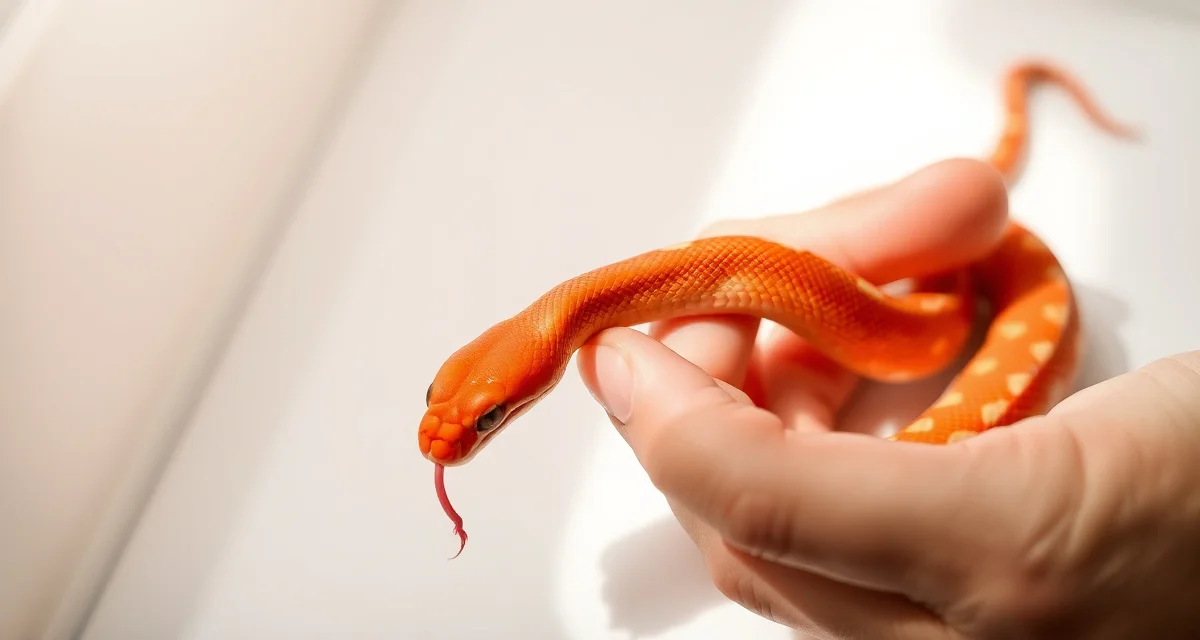
Corn Snake Feeding Hatchlings: Complete Breeder Guide
By HatchLedger Editorial Team · Published 2025-01-17 · Updated Mar 13, 2026
Corn snake hatchling feeding is one of the most rewarding parts of breeding this species. Unlike some more challenging species, the majority of corn snake hatchlings take their first meal after their initial shed without much intervention. When they do have problems, there's a well-established escalation protocol that resolves most cases. Breeders using integrated software report 30% less time on administrative tasks, and when you're managing a season's worth of hatchlings, organized feeding logs make all the difference.
TL;DR
- Corn snakes (Pantherophis guttatus) are the most widely bred colubrid in captivity, with hundreds of documented morphs spanning all three major inheritance patterns.
- Seasonal cycling of 60-90 days at 50-60 degrees Fahrenheit is the standard cycling protocol for reliable spring breeding.
- Clutch sizes average 12-24 eggs for adult females, with experienced breeders often producing 2 clutches per season from well-conditioned females.
- Incubation setup runs 55-65 days at 78-82 degrees Fahrenheit, cooler than most python species.
- Corn snake morph genetics include multiple allelic series, including the amelanistic and anerythristic pathways, that interact in non-obvious ways.
When to Start Feeding
Wait for the first shed before any feeding attempt. Most corn snake hatchlings shed 7 to 14 days after hatching. Attempting to feed before this shed results in refusal and unnecessary stress.
After the first shed, wait 2 to 3 days before the first offering. At this point, the hatchling's feeding response is active. Record the first shed date in your hatchling's record so you always know when feeding attempts should begin.
Standard First Feeding Protocol
Prey Size and Type
Pinky mice are the standard first prey for corn snake hatchlings. Choose pinkies that approximate the widest part of the hatchling's body in diameter. If the prey is significantly larger than the snake's mid-body, the hatchling may strike but not swallow.
Frozen-thawed pinkies are strongly preferred. Warm the pinky thoroughly to 98-105°F before offering. Cold prey is a common reason for strike-only responses without swallowing.
Offering Technique
Present the prey with feeding tongs, gently wiggling or dangling it near the hatchling. Place the tongs close to the hatchling's head, as corn snakes are ambush predators and respond to prey that appears to pass nearby.
Alternatively, leave the warmed pinky in the enclosure with the hatchling for 1 to 2 hours before removing it. Many corn snake hatchlings will take prey on their own when left undisturbed.
Log the outcome of every attempt: struck and swallowed, struck only, or no response.
Problem Feeder Escalation
If a hatchling refuses frozen-thawed prey on the first two attempts:
Try freshly killed prey. A pinky that was just euthanized has different scent and warmth characteristics than frozen-thawed. Some hatchlings respond to this when they won't take frozen-thawed.
Use a separate feeding container. A clean, simple container with minimal stimulation can help shy feeders. The enclosed space removes visual distraction and focuses the hatchling on the prey.
Scent the prey. Rub the pinky on a gecko or lizard before offering. Corn snakes will readily eat lizards in the wild, and lizard scent can trigger reluctant hatchlings.
Try live prey. Live pinkies move and provide thermal cues that frozen-thawed can't match. Supervise live feeding to prevent injury to the hatchling.
Log every attempt and technique in your hatchling record in HatchLedger's reptile breeder hub. When you look at a hatchling's record and see "refused tong-fed FT twice, struck once with live, ate second live pinky," that tells you exactly where to start next time.
Post-Feeding Care
After a successful feeding, don't handle the hatchling for 48 to 72 hours. Handling too soon after feeding increases regurgitation risk. If regurgitation occurs, wait 7 to 10 days before the next attempt and offer a smaller prey item than the one that was regurgitated.
Log every regurgitation with date and context. A pattern of regurgitation may indicate enclosure temperatures are too cool for digestion or prey items are too large.
Tracking Feeding Progress
The moment a hatchling has its first successful meal is a milestone that affects its sale price. Established feeders, generally defined as animals that have eaten 3 to 5 consecutive meals without intervention, sell more reliably and at higher prices than hatchlings with no feeding history.
Track feeding status for every hatchling in your inventory. For sale listings, you should be able to accurately state: "This animal has eaten 5 consecutive FT pinkies, most recently [date]." That documentation comes from your reptile breeder software comparison-selected breeding software records.
Frequently Asked Questions
What is the best approach to corn snake feeding hatchlings?
Wait for the first shed, then offer warmed frozen-thawed pinkies via tongs or as a leave-in after 2 to 3 days. Log every attempt. For refusers, work through the escalation: freshly killed, separate container, scented prey, live. Most corn snake hatchlings are reliable feeders, and the few that struggle typically respond within a few escalation steps. Don't offer prey that's larger than the hatchling's mid-body diameter, ensure prey is adequately warmed, and give the hatchling time and privacy to eat without excessive disturbance.
How do professional breeders handle corn snake feeding hatchlings?
Professional corn snake breeders start feeding attempts on schedule after first sheds and log every interaction. They have an established escalation protocol ready for the small percentage of hatchlings that don't take frozen-thawed prey immediately. They don't sell hatchlings until feeding is established, typically 3 to 5 confirmed meals, and they document feeding history to provide buyers with an accurate animal description. For large hatchling cohorts, they use feeding sessions efficiently, working through all animals systematically rather than managing them haphazardly.
What software helps manage corn snake feeding hatchlings?
HatchLedger is purpose-built for reptile breeders, connecting animal records, breeding history, clutch outcomes, and financial tracking in one system. Unlike generic spreadsheets, it's designed around the specific workflow of an active breeding season. Free for up to 20 animals.
Can corn snakes produce two clutches in a single breeding season?
Yes, many adult corn snake females will double-clutch reliably, especially when kept at ideal temperatures and fed aggressively between clutches. Allow females at least 4-6 weeks of heavy feeding between the first and second clutch. Tracking body weight before and after each clutch helps assess whether a female is in condition for a second clutch that season.
What temperature should corn snake eggs be incubated at?
Corn snake eggs incubate best at 78-82 degrees Fahrenheit. Higher temperatures up to 84 degrees accelerate development but reduce the hatch window and can increase developmental problems. Below 75 degrees slows development significantly. Unlike ball python eggs, corn snake eggs tolerate a wider temperature range reasonably well.
What are the most profitable corn snake morphs for breeders?
Multi-gene combination morphs command the highest prices. Motley, Tessera, and Scaleless are structural genes that add significant value to color morph animals. Scaleless corn snakes in particular fetch $300-800 or more depending on color morph combination. Single-gene morphs like Amelanistic and Anerythristic are common and prices are compressed; combinations including structural genes maintain stronger margins.
What is Corn Snake Feeding Hatchlings: Complete Breeder Guide?
This is a comprehensive breeder's guide covering everything you need to know about feeding newborn corn snakes. It walks through when to start feeding after hatching, how to handle reluctant feeders, and how to establish a reliable feeding schedule. The guide draws on established husbandry practices for Pantherophis guttatus and is designed to help both first-time and experienced breeders manage hatchling feeding successfully across an entire clutch season.
How much does Corn Snake Feeding Hatchlings: Complete Breeder Guide cost?
The guide is free to read on HatchLedger. There is no purchase required to access the feeding protocols, escalation steps, or husbandry recommendations. Breeders looking to streamline record-keeping across multiple hatchlings may find value in HatchLedger's integrated software tools, which users report saves around 30% of time spent on administrative tasks during the breeding season.
How does Corn Snake Feeding Hatchlings: Complete Breeder Guide work?
The guide works by walking breeders through a structured feeding timeline starting after the hatchling's first shed. It explains prey sizing, feeding frequency, and a proven escalation protocol for problem feeders. By following the step-by-step approach, breeders can systematically address refusals without guesswork, using techniques refined across the corn snake breeding community to achieve consistent first-meal acceptance rates.
What are the benefits of Corn Snake Feeding Hatchlings: Complete Breeder Guide?
The main benefits include higher feeding success rates, reduced stress for both breeder and animal, and better record-keeping across large clutches. Corn snakes are generally cooperative feeders, and this guide helps breeders capitalize on that by setting correct expectations and knowing when and how to intervene. Organized feeding logs also improve long-term breeding decisions by tracking which animals and pairings produce the most robust, eager-feeding offspring.
Who needs Corn Snake Feeding Hatchlings: Complete Breeder Guide?
This guide is ideal for new corn snake breeders tackling their first clutch, as well as experienced hobbyists scaling up to multiple clutches per season. It is also useful for anyone working with reluctant feeders or unusual morphs where feeding behavior may vary. If you are managing more than a handful of hatchlings simultaneously and want a repeatable, organized system, this guide provides the framework to do that efficiently.
Related Articles
- Burmese Python Feeding Hatchlings: Complete Breeder Guide
- Carpet Python Feeding Hatchlings: Complete Breeder Guide
Sources
- USARK (United States Association of Reptile Keepers)
- Association of Reptilian and Amphibian Veterinarians (ARAV)
- Herpetological Review (Society for the Study of Amphibians and Reptiles)
- Reptiles Magazine (Bowtie Inc.)
- Society for the Study of Amphibians and Reptiles (SSAR)
Get Started with HatchLedger
Corn snake breeders managing multiple morphs, double-clutching females, and complex genetic documentation benefit from a system that links animal records to clutch outcomes and keeps morph genetics traceable across generations. HatchLedger handles all of this, free for up to 20 animals.