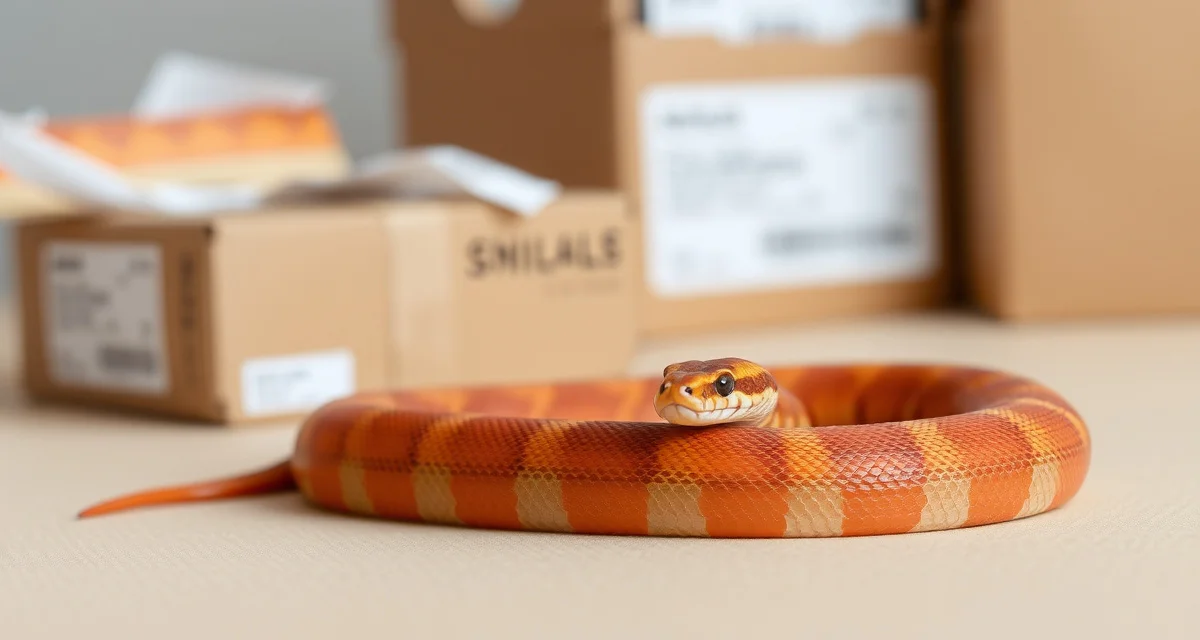
Corn Snake Compliance and Shipping: Complete Breeder Guide
By HatchLedger Editorial Team · Published 2025-05-23 · Updated Mar 13, 2026
Corn snake compliance and shipping is more straightforward than exotic or restricted species, but there are still regulations, carrier requirements, and best practices that every breeder shipping animals needs to know. Getting shipping wrong, whether from inadequate packaging, incorrect carrier selection, or unfamiliarity with destination state regulations, causes animal welfare problems and potential legal exposure. Breeders using integrated software report 30% less time on administrative tasks, and shipping documentation is one area where organized records prevent the errors that create post-sale problems.
TL;DR
- Corn snakes (Pantherophis guttatus) are the most widely bred colubrid in captivity, with hundreds of documented morphs spanning all three major inheritance patterns.
- Seasonal cycling of 60-90 days at 50-60 degrees Fahrenheit is the standard cycling protocol for reliable spring breeding.
- Clutch sizes average 12-24 eggs for adult females, with experienced breeders often producing 2 clutches per season from well-conditioned females.
- Incubation setup runs 55-65 days at 78-82 degrees Fahrenheit, cooler than most python species.
- Corn snake morph genetics include multiple allelic series, including the amelanistic and anerythristic pathways, that interact in non-obvious ways.
Federal Regulations for Corn Snake Sales
Corn snakes (Pantherophis guttatus) are native U.S. species, which makes their regulatory status different from most non-native exotic species. A few important points:
Captive-bred corn snakes sold between private parties in the U.S. have relatively minimal federal regulatory requirements compared to wild-caught specimens or CITES-listed species.
The Lacey Act still applies: any corn snake sold must be legally acquired. Captive-bred animals from documented breeding programs meet this requirement. Your breeding records are the documentation that supports captive-bred status.
Wild collection of corn snakes is regulated at the state level. If you're in a state that permits collection and you work with wild-caught animals, understand your state's rules. For most captive breeders, this isn't relevant.
State-Level Regulations
Corn snakes are not widely restricted in the U.S., but state laws vary and can change. Hawaii prohibits virtually all live reptile imports. Some states have permit requirements for certain native species sales or possession. Research destination state regulations before completing any sale.
The safest approach: include a simple note in your listing that buyers are responsible for understanding their state's regulations regarding corn snake ownership.
Carrier Requirements
Delta Cargo (Live Animal Shipping)
Delta Cargo through their reptile shipping program is the primary air option for shipping live reptiles, including corn snakes. Key requirements:
- Animals must be packaged per carrier specifications
- Temperature restrictions apply (typically no shipments when temperatures at origin or destination are below 40°F or above 90°F at time of pickup)
- Both shipper and recipient must be at cargo facilities
- Live animals ship as cargo, not as standard packages
Contact Delta Cargo or authorized brokers for current pricing, requirements, and availability in your area.
Ground Services
Standard UPS and FedEx do not accept live reptile shipments. Some specialty courier services exist for live animal transport but are significantly more expensive than air cargo options.
For high-value corn snakes, many breeders prefer in-person transfers at reptile expos or through trusted courier networks rather than shipping.
Packaging Corn Snakes for Air Shipment
Proper packaging is an ethical requirement and a carrier requirement. At minimum:
Inner packaging: A cloth snake bag tied closed, or a ventilated deli cup for smaller animals. The animal should not be able to escape and should have some ability to coil naturally.
Insulation: A foam-lined inner box inside an outer cardboard box. Foam prevents temperature swings during transit.
Temperature management: A heat pack (for cool weather) or cold pack (for hot weather) positioned to provide temperature stability without direct animal contact. Heat packs should be wrapped in newspaper or cardboard to prevent direct contact.
Outer box labeling: "Live Harmless Reptiles," directional arrows indicating which side is up, and both shipper and recipient contact information visible externally.
Documentation for Each Sale
Include with every shipment:
- A purchase receipt with your name, address, and contact information
- Animal description: species, morph, date of birth
- A brief care guide if the buyer is newer to corn snakes
- Your live arrival guarantee policy in writing
- Any relevant health records
Log in HatchLedger's reptile breeder hub that documentation was sent with each shipment and what it included. When buyers contact you about a shipped animal, your shipping records show the tracking number, ship date, and what was included in the package.
Live Arrival Guarantees
Most corn snake breeders offer live arrival guarantees for shipped animals. Your policy should specify:
- The guarantee applies if the animal is picked up promptly (within 1 hour of arrival notification)
- It doesn't apply if the shipment is delayed by circumstances outside your control (weather holds, misdirected packages)
- Buyer must contact you within 1 to 2 hours of receipt with any concerns
- Documentation requirements for a DOA claim (photo or video)
Put this in writing before any sale is finalized. Reptile breeder software comparison resources highlight that breeders with documented policies have significantly fewer post-sale disputes than those who handle each situation informally.
Frequently Asked Questions
What is the best approach to corn snake compliance and shipping?
Use Delta Cargo for air shipments and verify your packaging meets both carrier requirements and best-practice standards for animal welfare. Check destination state regulations before completing any sale. Provide complete documentation with every shipment including a purchase receipt and care information. Have a written live arrival guarantee policy communicated before payment. Log every shipment with tracking information linked to the sale record. For high-value animals, consider in-person transfers over shipping when feasible.
How do professional breeders handle corn snake compliance and shipping?
Professional corn snake breeders have established shipping protocols and don't improvise packaging for each shipment. They check weather forecasts before scheduling shipments, verify temperature windows at both origin and destination, use consistent and tested packaging materials, and include complete documentation with every animal. Their live arrival guarantee policies are written and communicated upfront. They track every shipment and follow up with buyers at delivery.
What software helps manage corn snake compliance and shipping?
HatchLedger is purpose-built for reptile breeders, connecting animal records, breeding history, clutch outcomes, and financial tracking in one system. Unlike generic spreadsheets, it's designed around the specific workflow of an active breeding season. Free for up to 20 animals.
Can corn snakes produce two clutches in a single breeding season?
Yes, many adult corn snake females will double-clutch reliably, especially when kept at ideal temperatures and fed aggressively between clutches. Allow females at least 4-6 weeks of heavy feeding between the first and second clutch. Tracking body weight before and after each clutch helps assess whether a female is in condition for a second clutch that season.
What temperature should corn snake eggs be incubated at?
Corn snake eggs incubate best at 78-82 degrees Fahrenheit. Higher temperatures up to 84 degrees accelerate development but reduce the hatch window and can increase developmental problems. Below 75 degrees slows development significantly. Unlike ball python eggs, corn snake eggs tolerate a wider temperature range reasonably well.
What are the most profitable corn snake morphs for breeders?
Multi-gene combination morphs command the highest prices. Motley, Tessera, and Scaleless are structural genes that add significant value to color morph animals. Scaleless corn snakes in particular fetch $300-800 or more depending on color morph combination. Single-gene morphs like Amelanistic and Anerythristic are common and prices are compressed; combinations including structural genes maintain stronger margins.
What is Corn Snake Compliance and Shipping: Complete Breeder Guide?
This guide covers everything corn snake breeders need to know about legally and safely shipping animals, including carrier requirements, packaging standards, destination state regulations, and documentation best practices. It addresses common compliance pitfalls that cause animal welfare issues or legal exposure, and explains how organized record-keeping and integrated breeding software can reduce administrative overhead by around 30%, making post-sale problems far less likely.
How much does Corn Snake Compliance and Shipping: Complete Breeder Guide cost?
The guide itself is free editorial content published on HatchLedger. However, the breeding management software referenced throughout the article, which helps automate shipping documentation, compliance tracking, and record-keeping, is a paid platform. Pricing details are available on the HatchLedger website. The compliance and carrier information in the guide applies regardless of whether you use any software tools.
How does Corn Snake Compliance and Shipping: Complete Breeder Guide work?
The guide walks breeders through each step of the shipping process: selecting an approved live animal carrier, packaging corn snakes safely for transit, verifying destination state regulations, and preparing accurate shipping documentation. It also covers seasonal timing considerations and how to pair compliant shipping workflows with breeding records so that every animal shipped has a clear, auditable paper trail from clutch to customer.
What are the benefits of Corn Snake Compliance and Shipping: Complete Breeder Guide?
Following this guide helps breeders avoid costly mistakes like carrier rejections, animal welfare violations, and post-sale disputes caused by incomplete documentation. Corn snakes are legally straightforward compared to restricted species, but errors still happen. Structured compliance workflows reduce administrative time, protect the breeder legally, improve customer confidence, and ensure animals arrive safely, which directly supports reputation and repeat business in a community-driven market.
Who needs Corn Snake Compliance and Shipping: Complete Breeder Guide?
Any corn snake breeder who ships animals, whether a hobbyist selling surplus clutches or a full-scale morph breeder fulfilling dozens of orders per season, needs this information. It is especially valuable for newer breeders unfamiliar with live animal carrier policies and state-level regulations, and for experienced breeders looking to formalize their documentation processes and reduce the administrative burden of scaling up operations.
Related Articles
- Burmese Python Compliance and Shipping: Complete Breeder Guide
- Carpet Python Compliance and Shipping: Complete Breeder Guide
Sources
- USARK (United States Association of Reptile Keepers)
- Association of Reptilian and Amphibian Veterinarians (ARAV)
- Herpetological Review (Society for the Study of Amphibians and Reptiles)
- Reptiles Magazine (Bowtie Inc.)
- Society for the Study of Amphibians and Reptiles (SSAR)
Get Started with HatchLedger
Corn snake breeders managing multiple morphs, double-clutching females, and complex genetic documentation benefit from a system that links animal records to clutch outcomes and keeps morph genetics traceable across generations. HatchLedger handles all of this, free for up to 20 animals.