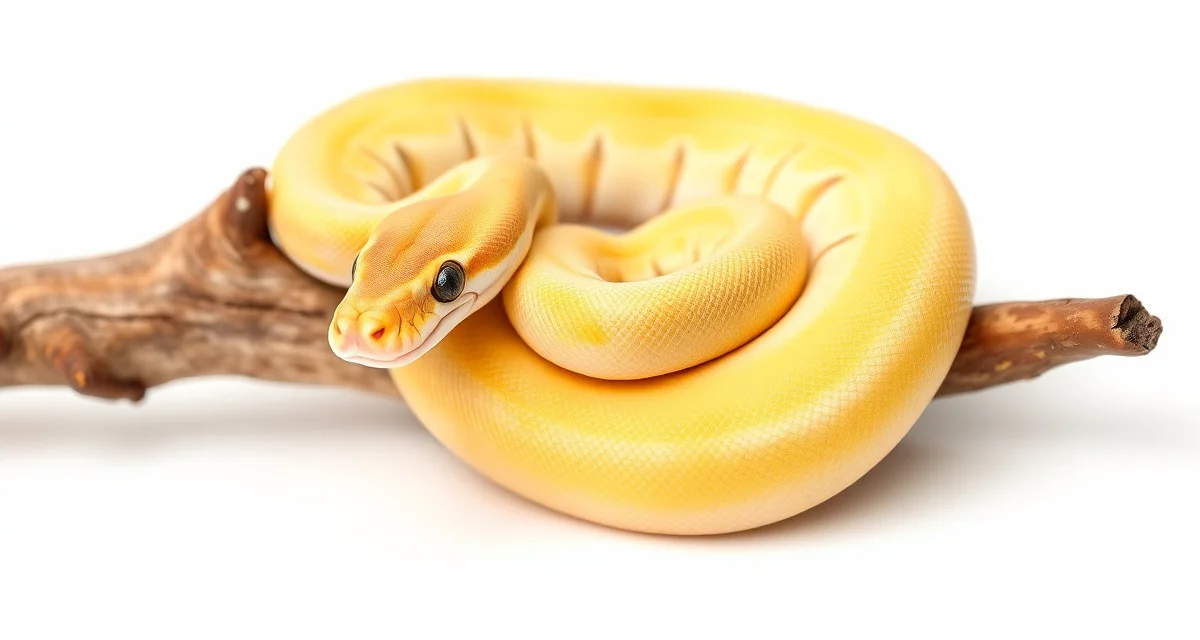
Pastel Clown Ball Python: Breeding Odds, Pairings and Market Value
Pastel Clown is one of the most consistently popular three-gene combos in the hobby. Pastel brightens the vivid yellow base, and Clown reduces the dorsal pattern while producing those distinctive alien-head clusters. Together they make an animal that photographs well, sells quickly, and remains in demand year after year. If you're running a Clown project, adding Pastel is the most common and commercially logical first step.
TL;DR
- The Pastel Clown combination requires careful planning across multiple genetic lines before visual animals can be produced.
- Recessive genes in any combination require both parents to carry the gene, making genetics guide the foundation of a successful project.
- Multi-recessive projects typically take 2-4 seasons from acquiring het stock before producing the target combination visual.
- Co-dominant genes in combinations show in single copy, allowing you to confirm the gene visually before selling or retaining animals.
- Documenting parentage for every animal in a multi-gene project is the only reliable way to maintain accurate het claims across generations.
Genetics: Producing Pastel Clown
Pastel is co-dominant. Clown is recessive (two copies required for visual expression).
Most Efficient Production Routes
Visual Clown (with Pastel) x het Clown:
- 25% Pastel Clown
- 25% Clown
- 25% Pastel het Clown
- 25% het Clown
Pastel het Clown x Pastel het Clown:
- ~12.5% Pastel Clown
- ~6.25% Super Pastel Clown
- ~12.5% Pastel
- ~6.25% Super Pastel
- ~25% Pastel het Clown
- ~12.5% het Clown
- ~12.5% Clown
- ~12.5% Normal
The second route gives you Super Pastel Clowns as well, a significant bonus that justifies the lower percentage of standard Pastel Clowns.
Pricing Pastel Clown Ball Pythons
| Animal | Retail Range |
|--------|-------------|
| Pastel Clown (female) | $900-$1,700 |
| Pastel Clown (male) | $600-$1,200 |
| Super Pastel Clown | $1,400-$2,500 |
| Visual Clown (no Pastel) | $500-$950 |
| Pastel het Clown (female) | $250-$500 |
| Pastel het Clown (male) | $175-$350 |
The Pastel Clown as a Foundation Breeder
Once you produce your first Pastel Clown female, she becomes your most valuable production asset. Pair her with het Clown males and you get:
- 25% Pastel Clown (female produces 50% Pastel and 50% non-Pastel versions)
- Consistent visual Clown output
A Pastel Clown female paired with an Enchi het Clown male starts producing Pastel Enchi Clown animals, retail $1,500-$2,800. Each additional co-dom you add through the male side raises the value tier of visual offspring in the clutch.
Managing Pastel Clown Projects in HatchLedger
Pastel Clown projects are multi-year but not as long as double-recessive projects. From first het acquisition to first visual Pastel Clown is typically 2-3 seasons. HatchLedger's lineage engine tracks het Clown status through generations, records Pastel gene status for each animal, and generates expected offspring ratios.
The budget calculator helps you understand total investment across the proving and production phases. When you sell your first Pastel Clown female at $1,200, you can verify against your records whether that covers accumulated costs or whether you need more seasons of production to break even.
FAQ
What are the breeding odds for Pastel Clown ball python?
From a Pastel Visual Clown x het Clown pairing, 25% of offspring are Pastel Clown. From a Pastel het Clown x Pastel het Clown pairing, approximately 12.5% are Pastel Clown and 6.25% are Super Pastel Clown. Per a 6-egg clutch, expect 0-2 visual Clowns of various types on average from the het x het pairing.
How do professional breeders handle Pastel Clown ball python production?
Experienced breeders move quickly to get a visual Clown into their pairing once they have strong het lines established. Pairing two hets gives slower but broader output; pairing a visual to a het gives faster visual production. Most Clown project breeders add Pastel to their Clown lines simultaneously from the start, het Clown animals carrying Pastel are worth more than plain het Clown animals.
Sources
- USARK (United States Association of Reptile Keepers)
- Association of Reptilian and Amphibian Veterinarians (ARAV)
- MorphMarket (reptile industry market reference)
- World of Ball Pythons (WoBP genetics reference database)
- Reptiles Magazine (Bowtie Inc.)
Get Started with HatchLedger
Building a Pastel Clown project across multiple seasons means tracking genetics, parentage, and clutch outcomes that compound in complexity year over year. HatchLedger connects all of that data in one system so your project documentation stays accurate from first pairing through final sale. Try it free with up to 20 animals.