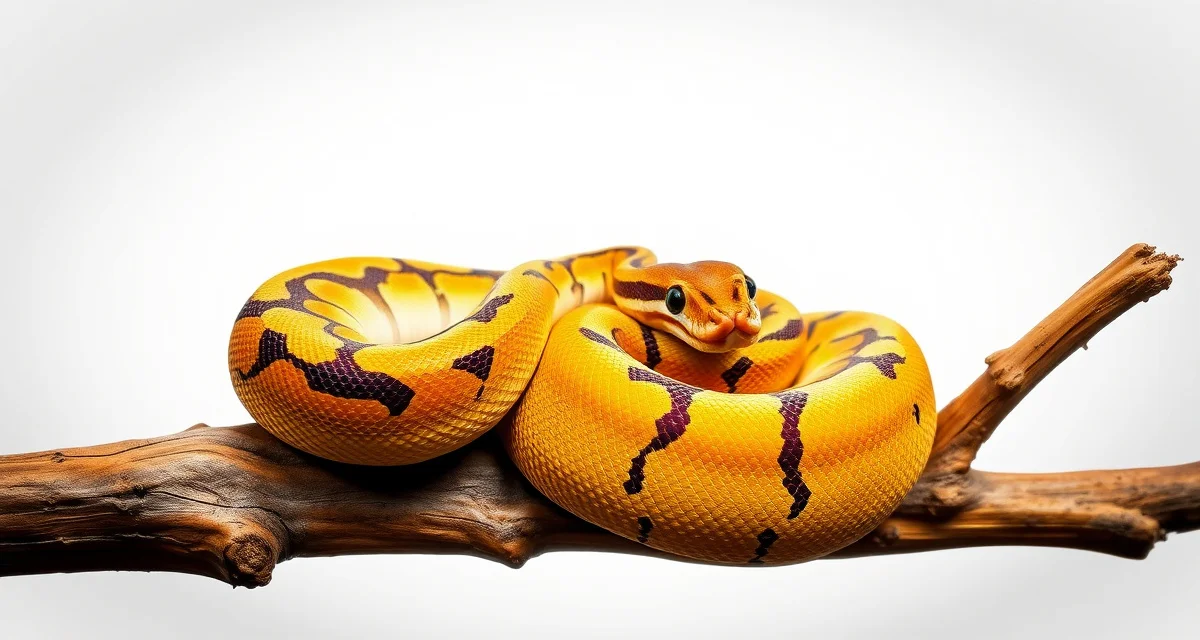
Carpet Python Selling and Pricing: Complete Breeder Guide
The carpet python market rewards documentation and reputation more than almost any other commonly bred python species. Because much of the value in carpet pythons comes from subspecies genetics overview purity, locality quality, and selective breeding lineage, buyers who know the species will pay significantly more to breeders who can demonstrate those qualities with records. Breeders using integrated software report 30% less time on administrative tasks, which creates more time for the research, photography, and buyer communication that drive carpet python sales.
TL;DR
- Carpet pythons (Morelia spilota) encompass multiple recognized subspecies including coastal, jungle, diamond, and Irian Jaya, each with distinct breeding triggers.
- Most carpet python subspecies require a 2-3 month seasonal cycling period with temperatures dropping 10-15 degrees Fahrenheit to trigger reliable ovulation.
- Average clutch size recordss range from 10-20 eggs, with large female diamond carpets sometimes producing 25 or more.
- Incubation typically runs 55-65 days at 84-88 degrees Fahrenheit, slightly lower than ball python targets.
- Subspecies identification in your records matters: crossing subspecies produces offspring of uncertain market value and documentation becomes complex.
Pricing carpet pythons correctly requires understanding a market that values different things than the ball python or boa market -- a normal jungle carpet from a well-documented quality line is worth far more than a genetic morph from an unknown background.
Understanding Carpet Python Market Values
Normal subspecies animals: Quality-documented carpets from clean lines still command decent prices. A well-documented jungle carpet from Julatten-region stock with full lineage information sells in the $150-400 range depending on quality. Coastal carpets are more widely bred and generally lower-priced ($100-250 for quality animals). Irian Jaya carpets occupy a middle ground. Diamond pythons from quality Australian-derived lines command premiums of $400-1,000+ for exceptional animals.
Morph and color variant animals: Axanthic jungle carpets, granite animals, and caramel morphs command significant premiums over standard counterparts. A high-quality axanthic jungle carpet from a clean line can sell for $500-1,500+. Combination morph animals are rarer still and priced accordingly.
Cross-subspecies animals: Honestly represented cross animals (jungle x coastal, for example) should be priced below equivalent purebred animals. Misrepresenting crosses as purebred subspecies is an ethics problem that will damage your reputation in a knowledgeable community.
The Role of Documentation in Pricing
More so than with most species, carpet python pricing is directly tied to documentation quality. Two visually similar jungle carpets may have very different values based on documentation:
- Animal A: "Jungle carpet, exact locality unknown, purchased from a reptile store"
- Animal B: "Jungle carpet, Julatten stock, F3 from specific imported parents, full lineage records available"
Animal B justifies a 2-3x price premium to buyers who care about subspecies integrity. This premium is the direct financial return on the record keeping investment you've made.
Price accordingly. Animals with outstanding documentation sell for more. Provide documentation proactively with every sale listing, not just when buyers ask. Buyers who see documentation in the listing respond better than those who have to request it.
Setting Prices Based on Costs
As with any species, your minimum price is your cost to produce. Carpet python production costs include: female annual maintenance (feed, housing, electricity), male cycling-season costs, incubation costs, and hatchling care through to first feeding.
For carpet pythons, documentation labor has real value. The time you spent tracking lineage, updating records, and photographing animals is a legitimate cost of producing well-documented animals that command premium prices.
HatchLedger connects production costs to clutch records so you always know your per-animal cost floor before pricing.
Sales Platforms and Venues
MorphMarket is the primary online platform for carpet pythons, with subspecies filtering that helps buyers find what they're looking for. Reptile expos remain important for in-person sales where buyers can assess the animal directly. Direct relationships built through social media and forums are particularly valuable in the carpet python community, where knowledgeable buyers represent a higher proportion of the market than in ball pythons.
Carpet python buyers tend to be more informed than average. They know the difference between a documented quality jungle carpet and a generic one. They appreciate detailed listings and comprehensive documentation. Marketing to this audience rewards investment in your records and presentation.
HatchLedger connects sales records to P&L so you can track actual margins per animal and per season.
Frequently Asked Questions
What is the best approach to carpet python selling and pricing?
Price based on documented quality, not just visual appearance. Animals with full lineage documentation, subspecies purity records, and feeding histories command justified premiums. Calculate your cost to produce before setting any price. Research current MorphMarket listings for comparable animals. Provide documentation proactively in every listing. Be transparent about subspecies crosses -- honestly represented cross animals are fine; misrepresented ones destroy reputation.
How do professional breeders handle carpet python sales and pricing?
Professional carpet python breeders invest in documentation because they understand it directly translates to price premium. They photograph animals thoroughly, maintain lineage records meticulously, and provide complete care histories with every sale. They build direct buyer relationships in the carpet python community where repeat customers and referrals are particularly valuable. They also track their actual margins to ensure their pricing covers their real costs and provides sustainable returns.
What software helps manage carpet python sales records?
HatchLedger is purpose-built for reptile breeders, connecting animal records, breeding history, clutch outcomes, and financial tracking in one system. Unlike generic spreadsheets, it's designed around the specific workflow of an active breeding season. Free for up to 20 animals.
How do carpet python subspecies differ in breeding requirements?
Irian Jaya carpet pythons are among the most forgiving of the subspecies and often respond to minimal cycling. Jungle carpets and coastal carpets benefit from more pronounced temperature drops. Diamond carpet pythons from cooler Australian habitats may require the most aggressive cooling protocol of all the subspecies to achieve reliable ovulation.
Can carpet pythons from different subspecies be crossed?
Technically yes, but the practice is controversial. Many buyers specifically seek pure-subspecies animals, and crossing reduces the value and marketability of offspring. Maintaining clear subspecies documentation in your records is important whether you keep them pure or not.
Sources
- USARK (United States Association of Reptile Keepers)
- Association of Reptilian and Amphibian Veterinarians (ARAV)
- Australian Journal of Zoology
- Herpetofauna (Australian Herpetological Society)
- The Herpetoculture of Morelia (published reference)
Get Started with HatchLedger
Carpet python breeding across multiple subspecies means tracking distinct protocols per animal and maintaining subspecies lineage documentation that buyers increasingly expect. HatchLedger connects animal records, breeding history, and clutch documentation in one system. Try it free with up to 20 animals.