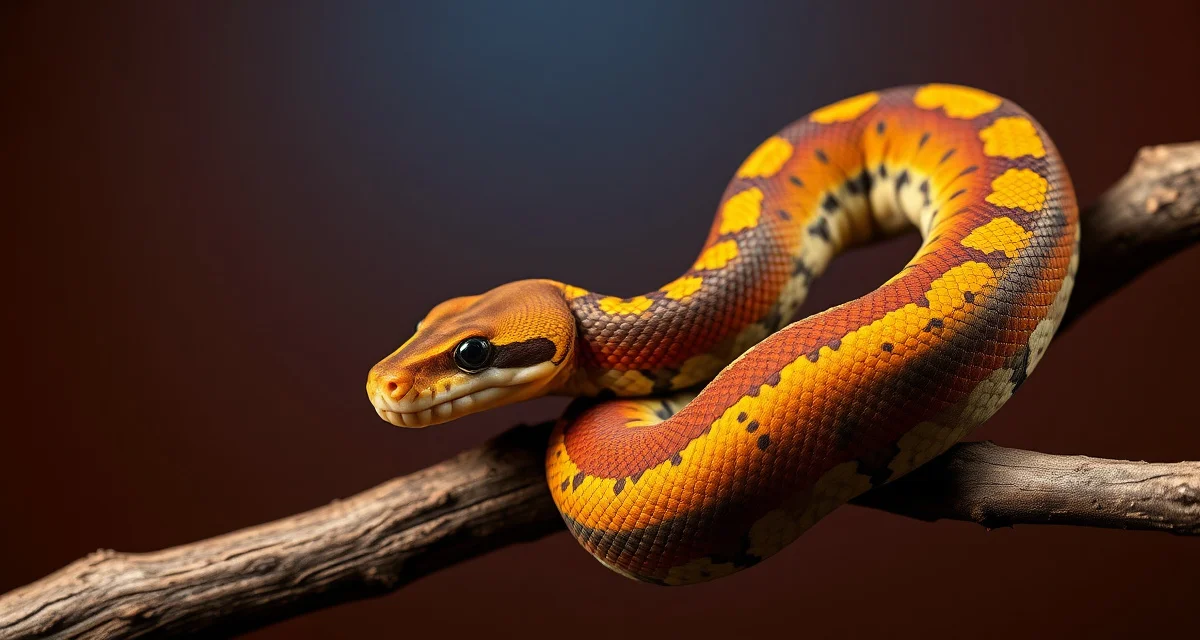
Carpet Python Seasonal Cycling: Complete Breeder Guide
Carpet pythons are among the more seasonally responsive python species commonly kept in captivity. Unlike ball pythons, which will sometimes breed without significant cycling, carpet pythons generally require meaningful temperature drops and photoperiod changes to enter reproductive condition reliably. Breeders using integrated software report 30% less time on administrative tasks, which is time needed to manage the more pronounced cycling protocol that carpet pythons require.
TL;DR
- Carpet pythons (Morelia spilota) encompass multiple recognized subspecies genetics overview including coastal, jungle, diamond, and Irian Jaya, each with distinct breeding triggers.
- Most carpet python subspecies require a 2-3 month seasonal cycling period with temperatures dropping 10-15 degrees Fahrenheit to trigger reliable ovulation.
- Average clutch size recordss range from 10-20 eggs, with large female diamond carpets sometimes producing 25 or more.
- Incubation typically runs 55-65 days at 84-88 degrees Fahrenheit, slightly lower than ball python targets.
- Subspecies identification in your records matters: crossing subspecies produces offspring of uncertain market value and documentation becomes complex.
The different subspecies within Morelia spilota have different cycling requirements. Understanding the natural climate of your specific subspecies helps you design a cycling protocol that works with the animal's biology.
Subspecies-Specific Cycling Considerations
Jungle carpets (M. s. cheynei): From the wet tropics of Queensland, Australia, which experiences a cool dry season. Jungle carpets respond well to temperature drops of 12-18F below maintenance temperatures, combined with photoperiod reduction. They're reliable breeders when cycled appropriately.
Coastal carpets (M. s. mcdowelli): From coastal eastern Australia, a more temperate range. Temperature cycling is important but may be slightly less pronounced than for jungle carpets. Good candidates for first-time carpet python breeders due to generally more forgiving cycling response.
Diamond pythons (M. s. spilota): From temperate southeastern Australia, including areas that experience near-freezing winter temperatures. Diamond pythons benefit from the most aggressive cycling of any Morelia spilota subspecies, with significant temperature drops and extended cycling periods. They're also more sensitive to heat, with lower preferred maintenance temperatures overall.
Irian Jaya carpets (M. s. irian): From tropical areas with less pronounced seasonality. Generally easier to cycle than temperature-zone subspecies. Moderate temperature drops and photoperiod reduction usually sufficient.
Temperature Drop Targets
For most carpet python subspecies, target ambient cycling temperatures of 68-74F (20-23C), down from maintenance temperatures of 78-85F. Diamond pythons can cycle at even cooler ambient temperatures -- 62-68F is appropriate for this subspecies.
The warm-spot should remain available during cycling (85-88F) so animals can still thermoregulate. You're cooling the ambient, not preventing access to warmth.
Drop temperatures over 2-3 weeks rather than abruptly. Abrupt large temperature changes stress animals unnecessarily and don't improve cycling response compared to gradual reduction.
Photoperiod Reduction
Reduce light cycle from your maintenance standard (12-14 hours) to 8-10 hours per day. This reduction is most effective when combined with temperature drops. For diamond pythons and other subspecies from temperate areas, photoperiod reduction may be particularly important for triggering breeding response.
If your breeding room has significant natural light infiltration, use blackout curtains or other light control measures to ensure your photoperiod manipulation is actually effective. Incomplete photoperiod control is a common reason for inconsistent cycling response.
Duration and Monitoring
Maintain cycling conditions for 6-10 weeks depending on subspecies. Jungle and coastal carpets typically need 6-8 weeks. Diamond pythons benefit from 8-10 weeks or longer to come into peak reproductive condition.
During cycling, monitor animals every few days. Note feeding behavior (most will reduce or stop), activity level, and any behavioral changes. Males should become increasingly active as the cycling period progresses.
When you warm animals back up over 2-3 weeks in late fall to early winter (for a Northern Hemisphere November-February breeding season), you should see return of feeding response, increased male activity, and readiness for introductions.
HatchLedger logs your cycling start dates, temperature observations, and behavioral notes for each animal through the cycling period.
HatchLedger connects seasonal cycling records to breeding outcomes so you can evaluate whether protocol adjustments improve results year over year.
Frequently Asked Questions
What is the best approach to carpet python seasonal cycling?
Match your cycling protocol to your specific subspecies. Jungle and coastal carpets need 6-8 weeks at 68-74F ambient with photoperiod reduced to 8-10 hours. Diamond pythons need cooler and longer cycling. Begin cooling gradually over 2-3 weeks, reach target temperatures, maintain for the appropriate duration, then warm back up gradually. Log actual temperatures reached, not just intended targets. Note behavioral changes during cycling for each animal to confirm they're responding to the protocol.
How do professional breeders handle carpet python seasonal cycling?
Professionals who keep multiple subspecies run subspecies-appropriate cycling protocols rather than a uniform approach. They document actual temperatures achieved during cycling (not just target temperatures) and verify their photoperiod manipulation is effective. They note which animals respond strongly to cycling -- active males, feeding-reduced females in good condition -- and which seem unresponsive, using that data to evaluate whether protocol adjustments are needed. Multi-season cycling records help them refine their approach for each specific animal.
What software helps manage carpet python cycling records?
HatchLedger is purpose-built for reptile breeders, connecting animal records, breeding history, clutch outcomes, and financial tracking in one system. Unlike generic spreadsheets, it's designed around the specific workflow of an active breeding season. Free for up to 20 animals.
How do carpet python subspecies differ in breeding requirements?
Irian Jaya carpet pythons are among the most forgiving of the subspecies and often respond to minimal cycling. Jungle carpets and coastal carpets benefit from more pronounced temperature drops. Diamond carpet pythons from cooler Australian habitats may require the most aggressive cooling protocol of all the subspecies to achieve reliable ovulation.
Can carpet pythons from different subspecies be crossed?
Technically yes, but the practice is controversial. Many buyers specifically seek pure-subspecies animals, and crossing reduces the value and marketability of offspring. Maintaining clear subspecies documentation in your records is important whether you keep them pure or not.
Sources
- USARK (United States Association of Reptile Keepers)
- Association of Reptilian and Amphibian Veterinarians (ARAV)
- Australian Journal of Zoology
- Herpetofauna (Australian Herpetological Society)
- The Herpetoculture of Morelia (published reference)
Get Started with HatchLedger
Carpet python breeding across multiple subspecies means tracking distinct protocols per animal and maintaining subspecies lineage documentation that buyers increasingly expect. HatchLedger connects animal records, breeding history, and clutch documentation in one system. Try it free with up to 20 animals.