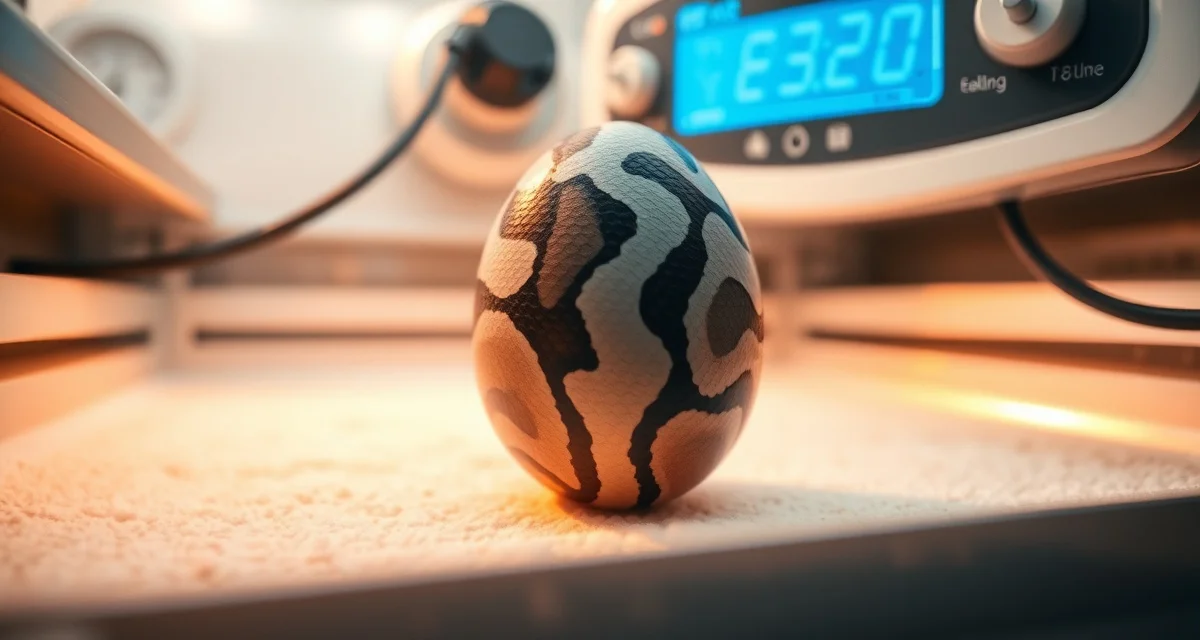
Carpet Python Incubation Parameters: Complete Breeder Guide
Carpet python egg incubation requires precision in both temperature and humidity management over an incubation period of 50-65 days. Compared to ball pythons, carpet python eggs are slightly more sensitive to temperature and humidity extremes, and the longer incubation period means more opportunities for conditions to drift outside the optimal range. Breeders using integrated software report 30% less time on administrative tasks, freeing up time to monitor incubation conditions consistently.
TL;DR
- Carpet pythons (Morelia spilota) encompass multiple recognized subspecies genetics overview including coastal, jungle, diamond, and Irian Jaya, each with distinct breeding triggers.
- Most carpet python subspecies require a 2-3 month seasonal cycling period with temperatures dropping 10-15 degrees Fahrenheit to trigger reliable ovulation.
- Average clutch size recordss range from 10-20 eggs, with large female diamond carpets sometimes producing 25 or more.
- Incubation typically runs 55-65 days at 84-88 degrees Fahrenheit, slightly lower than ball python targets.
- Subspecies identification in your records matters: crossing subspecies produces offspring of uncertain market value and documentation becomes complex.
Carpet pythons naturally brood their eggs -- females coil around clutches and use shivering thermogenesis to maintain egg temperature. Many captive breeders use artificial incubation for consistency and convenience, while others allow maternal incubation for all or part of the incubation period. Both approaches produce good results when managed correctly.
Temperature Targets
The standard incubation temperature for carpet python eggs is 88-90F (31-32C). This is similar to most python species. At this temperature range, incubation takes approximately 50-60 days. Lower temperatures extend incubation duration; higher temperatures shorten it and increase the risk of embryo death.
Temperature consistency matters more than hitting an exact number. An incubator that holds 88.5F steadily is better than one that fluctuates between 85F and 92F. Verify your incubator's performance with an independent calibrated probe thermometer placed at egg level, not just the incubator's built-in display.
Temperature spikes above 93-95F are dangerous to developing embryos. Install a temperature alarm in your incubation area so any thermostat malfunction or power issue is detected quickly.
Humidity and Substrate Management
Carpet python eggs are typically incubated on perlite or vermiculite at a 1:1 ratio of substrate to water by weight. This provides sufficient moisture to prevent egg desiccation while allowing adequate gas exchange.
Eggs that desiccate (dehydrate) will show visual dimpling and shrinkage. Eggs that are kept too wet may develop surface mold or take on a waterlogged appearance. The target is eggs that maintain their shape and approximate their lay weight through most of the incubation period.
Some breeders weigh incubation containers or individual eggs at the start of incubation and check weight periodically as a more objective measure of moisture balance than visual inspection. If eggs are consistently losing weight faster than 10-15% by mid-incubation, increase substrate moisture slightly.
Maternal Incubation
Carpet pythons are attentive egg brooders in captivity. Females that are allowed to remain with their eggs will maintain appropriate temperatures through thermogenesis and adjust their coiling behavior to regulate heat output.
Maternal incubation advantages include very stable temperatures (the female self-regulates) and natural humidity management. Disadvantages include the female fasting throughout incubation (typically 50-60 days), which causes weight loss, and the difficulty of monitoring individual egg condition without disturbing the female and clutch.
If you want to use maternal incubation, provide the female with a nesting box that maintains appropriate ambient temperatures (80-85F) and humidity. Minimize disturbance during the incubation period. Many carpet python breeders let the female brood eggs for the first 2-3 weeks, then transfer to an artificial incubator when maternal incubation has established good egg condition.
Container Setup
For artificial incubation, use containers with small ventilation openings. Pure airtight containers accumulate CO2 and can impair development. Commercial egg-incubation containers with built-in ventilation work well, as do standard plastic containers with small holes drilled in the lid.
Don't open containers more than necessary -- each opening disrupts temperature and humidity stability. A quick visual inspection of egg condition every 3-4 days is sufficient for most of the incubation period. Increase inspection frequency in the final week before expected hatch date.
HatchLedger provides a place to log your incubation start date, temperature readings, egg weight data, and any anomalies throughout the incubation period.
HatchLedger connects incubation records to your clutch P&L for complete season tracking.
Frequently Asked Questions
What is the best approach to carpet python egg incubation parameters?
Incubate at 88-90F on perlite or vermiculite at 1:1 by weight. Verify actual egg-level temperature with a calibrated probe rather than relying solely on your incubator's display. Use containers with small ventilation openings, not fully airtight setups. Monitor egg condition every 3-4 days and track moisture by egg appearance or weight measurement. For well-conditioned females, allowing maternal incubation for part of the period is a viable option. Log temperature readings and any anomalies throughout the 50-65 day incubation period.
How do professional breeders handle carpet python incubation?
Professionals verify their incubation setup before eggs are laid each season, not after. They calibrate their temperature probes, confirm substrate moisture ratios, and have their containers prepared before the female lays. They monitor egg condition regularly throughout incubation and log any temperature anomalies so they can diagnose poor hatch rates if they occur. They also consider the tradeoffs between artificial and maternal incubation for their specific females and facilities, choosing the approach that produces the best results for their setup.
What software helps manage carpet python incubation records?
HatchLedger is purpose-built for reptile breeders, connecting animal records, breeding history, clutch outcomes, and financial tracking in one system. Unlike generic spreadsheets, it's designed around the specific workflow of an active breeding season. Free for up to 20 animals.
How do carpet python subspecies differ in breeding requirements?
Irian Jaya carpet pythons are among the most forgiving of the subspecies and often respond to minimal cycling. Jungle carpets and coastal carpets benefit from more pronounced temperature drops. Diamond carpet pythons from cooler Australian habitats may require the most aggressive cooling protocol of all the subspecies to achieve reliable ovulation.
Can carpet pythons from different subspecies be crossed?
Technically yes, but the practice is controversial. Many buyers specifically seek pure-subspecies animals, and crossing reduces the value and marketability of offspring. Maintaining clear subspecies documentation in your records is important whether you keep them pure or not.
Sources
- USARK (United States Association of Reptile Keepers)
- Association of Reptilian and Amphibian Veterinarians (ARAV)
- Australian Journal of Zoology
- Herpetofauna (Australian Herpetological Society)
- The Herpetoculture of Morelia (published reference)
Get Started with HatchLedger
Carpet python breeding across multiple subspecies means tracking distinct protocols per animal and maintaining subspecies lineage documentation that buyers increasingly expect. HatchLedger connects animal records, breeding history, and clutch documentation in one system. Try it free with up to 20 animals.