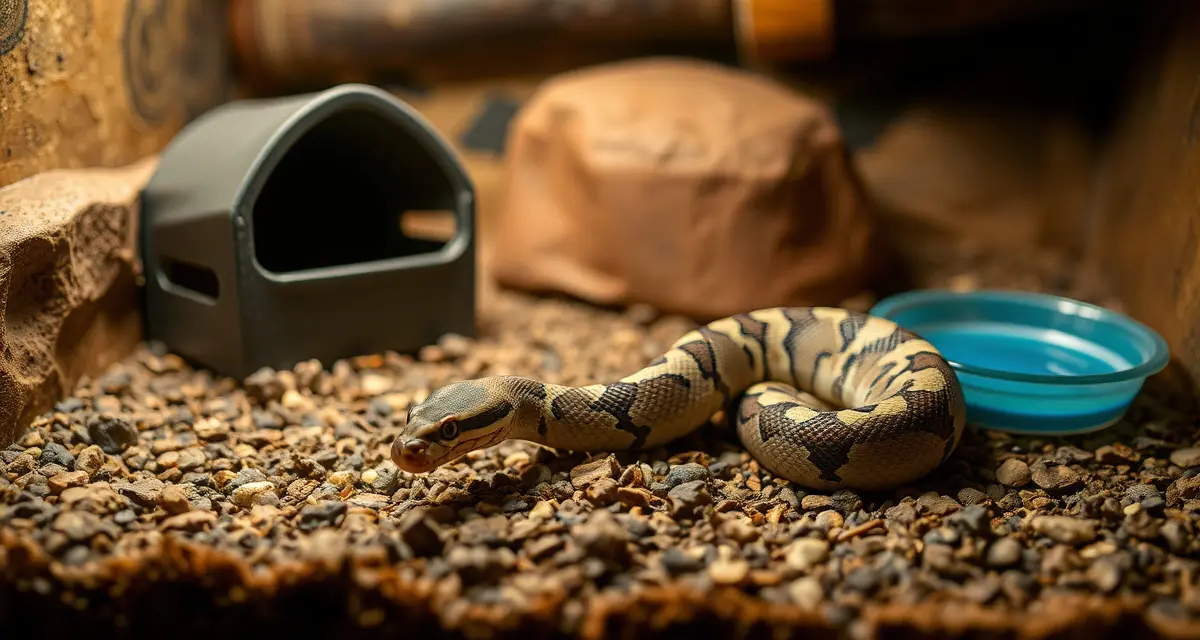
Carpet Python Hatchling Care Guide: Complete Breeder Guide
Carpet python hatchlings are notoriously nippy and can be reluctant feeders, making the first few weeks of their lives more challenging than hatchlings of many other commonly bred pythons. Their reputation for defensive behavior is well-earned -- carpet python neonates are alert, fast-moving, and quick to bite when startled. But with proper housing, patient feeding approaches, and consistent record keeping, most carpet python hatchlings establish well and become manageable animals. Breeders using integrated software report 30% less time on administrative tasks, giving you more time for the hands-on feeding work that carpet python neonates often need.
TL;DR
- Carpet pythons (Morelia spilota) encompass multiple recognized subspecies genetics overview including coastal, jungle, diamond, and Irian Jaya, each with distinct breeding triggers.
- Most carpet python subspecies require a 2-3 month seasonal cycling period with temperatures dropping 10-15 degrees Fahrenheit to trigger reliable ovulation.
- Average clutch size recordss range from 10-20 eggs, with large female diamond carpets sometimes producing 25 or more.
- Incubation typically runs 55-65 days at 84-88 degrees Fahrenheit, slightly lower than ball python targets.
- Subspecies identification in your records matters: crossing subspecies produces offspring of uncertain market value and documentation becomes complex.
The key to successful carpet python hatchling care is understanding their temperament and working with it rather than fighting it. These are active, intelligent snakes that do better with appropriate enrichment and privacy than in sterile bare-bottom setups.
Housing Setup
Individual housing is essential for carpet python hatchlings. They're defensive and will compete aggressively for food in group settings, increasing stress and injury risk. A 6-quart tub with appropriate ventilation works for the first several months.
Unlike some species that do well in bare-bottom tubs, carpet python hatchlings often show better feeding responses and lower stress levels when provided with some substrate and a secure hide. Paper towel or paper substrate is clean and practical, but adding a cork hide or small tight-fitting plastic hide makes a significant difference in the animal's security and willingness to feed.
Temperature requirements: warm side at 88-90F, cool ambient at 75-80F. Humidity at 50-70% with access to a humid hide for shed support. Carpet pythons are more tolerant of moderate temperature variation than some species but still need a functional gradient.
First Feeding Approach
Carpet python hatchlings typically take their first meal 7-14 days after completing their first shed. The first shed usually happens within 7-14 days of hatching. Wait for the shed to complete before attempting to feed.
Starting with frozen/thawed prey is the goal, but carpet pythons can be particularly stubborn about F/T as neonates. Start with a warm F/T pinky mouse offered via tongs. If refused after two to three attempts, try these approaches in order:
- Braining the prey item. Opening the skull slightly releases stronger scent stimulus.
- Fresh-killed. Warmer temperature and fresher scent often overcomes resistance to F/T.
- Paper bag method. Neonate and prey in a small, dark paper bag overnight can trigger a feeding response in animals that won't strike in their enclosure.
- Scenting with lizard shed. Rubbing the prey item with blue-tongue skink or anole shed works for some reluctant carpet python neonates.
- Live as a last resort. Supervised, appropriately-sized live prey only after other methods have failed.
Don't handle carpet python hatchlings before they're established on feed. Handling increases stress and makes feeding harder to establish. Once an animal has 3-5 consecutive meals under its belt, gradual handling can begin.
Defensive Behavior Management
Carpet python hatchlings bite. This is normal and not a sign of a problem animal. Use tongs or a hook when working with neonates in the first weeks, particularly for cage maintenance and feeding. Over time, most carpet pythons become much more handleable as they grow and are handled consistently.
Never grab a hatchling from above or approach quickly -- this mimics a predator strike and will reliably produce a defensive bite. Move slowly, approach from below or the side, and use a hook to steady the animal before picking it up. Consistency in your handling approach reduces defensive responses over time.
Record Keeping for Hatchlings
Log every feeding attempt, shed record, weight measurement, and health observation for each hatchling individually. For a carpet python breeder managing multiple subspecies and color morphs, accurate individual records are also essential for accurate genetic representation at sale.
HatchLedger creates individual records for each hatchling linked to the parent clutch. Feeding history, shed logs, and weight data accumulate in one place for each animal.
HatchLedger connects hatchling records to your clutch P&L so you can track the cost of raising each animal through the pre-sale period.
Frequently Asked Questions
What is the best approach to carpet python hatchling care?
House hatchlings individually in appropriately-sized enclosures with a secure hide and warm-side temperatures at 88-90F. Wait for the first shed to complete before attempting to feed. Start with F/T prey offered via tongs, and work through a systematic troubleshooting progression if initial attempts are refused. Minimize handling until the animal is consistently established on feed. Log every feeding attempt, shed event, and weight measurement individually. Expect defensive behavior and manage it with hooks and slow movements rather than assuming something is wrong with the animal.
How do professional breeders handle carpet python hatchling management?
Professional carpet python breeders accept the species' defensive temperament as normal and work with it systematically. They use consistent feeding troubleshooting protocols rather than improvising each time a neonate refuses. They give hatchlings privacy (tight hides, minimal disturbance) during the establishment period because carpet pythons that feel secure feed more reliably. They also maintain detailed feeding records so they can identify which hatchlings are struggling early and apply targeted troubleshooting before animals lose significant condition.
What software helps manage carpet python hatchling records?
HatchLedger is purpose-built for reptile breeders, connecting animal records, breeding history, clutch outcomes, and financial tracking in one system. Unlike generic spreadsheets, it's designed around the specific workflow of an active breeding season. Free for up to 20 animals.
How do carpet python subspecies differ in breeding requirements?
Irian Jaya carpet pythons are among the most forgiving of the subspecies and often respond to minimal cycling. Jungle carpets and coastal carpets benefit from more pronounced temperature drops. Diamond carpet pythons from cooler Australian habitats may require the most aggressive cooling protocol of all the subspecies to achieve reliable ovulation.
Can carpet pythons from different subspecies be crossed?
Technically yes, but the practice is controversial. Many buyers specifically seek pure-subspecies animals, and crossing reduces the value and marketability of offspring. Maintaining clear subspecies documentation in your records is important whether you keep them pure or not.
Sources
- USARK (United States Association of Reptile Keepers)
- Association of Reptilian and Amphibian Veterinarians (ARAV)
- Australian Journal of Zoology
- Herpetofauna (Australian Herpetological Society)
- The Herpetoculture of Morelia (published reference)
Get Started with HatchLedger
Carpet python breeding across multiple subspecies means tracking distinct protocols per animal and maintaining subspecies lineage documentation that buyers increasingly expect. HatchLedger connects animal records, breeding history, and clutch documentation in one system. Try it free with up to 20 animals.