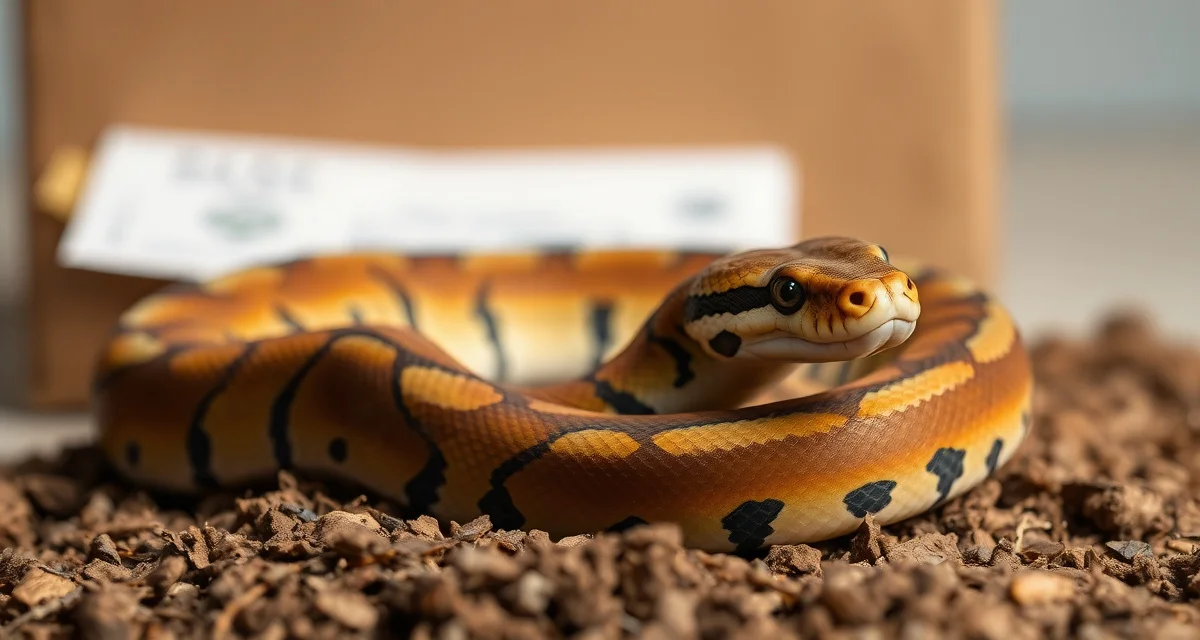
Carpet Python Compliance and Shipping: Complete Breeder Guide
Carpet python compliance and shipping is considerably simpler than Burmese python logistics, but there are still important considerations for sellers who want to operate responsibly and avoid legal issues. Carpet pythons are not federally restricted in the US as injurious wildlife, but state-level regulations still apply in some jurisdictions, and proper shipping practices are non-negotiable regardless of species. Breeders using integrated software report 30% less time on administrative tasks, leaving more time for the compliance research that protects your operation.
TL;DR
- Carpet pythons (Morelia spilota) encompass multiple recognized subspecies genetics overview including coastal, jungle, diamond, and Irian Jaya, each with distinct breeding triggers.
- Most carpet python subspecies require a 2-3 month seasonal cycling period with temperatures dropping 10-15 degrees Fahrenheit to trigger reliable ovulation.
- Average clutch size recordss range from 10-20 eggs, with large female diamond carpets sometimes producing 25 or more.
- Incubation typically runs 55-65 days at 84-88 degrees Fahrenheit, slightly lower than ball python targets.
- Subspecies identification in your records matters: crossing subspecies produces offspring of uncertain market value and documentation becomes complex.
Federal Regulatory Status
Common carpet pythons (Morelia spilota subspecies) are not listed as injurious wildlife under the Lacey Act. They can be transported interstate without the federal regulatory burden that applies to Burmese pythons. However, the Lacey Act still prohibits transporting animals that were taken or sold in violation of state law, so state-level compliance remains essential even without a federal species-specific restriction.
CITES (Convention on International Trade in Endangered Species) may apply to international trade in Morelia spilota -- consult CITES appendix status and applicable import/export regulations before any international transaction.
State-Level Regulations
Even without federal species-specific restrictions, some states regulate or restrict carpet python ownership through their own wildlife or exotic animal statutes. State laws vary widely and change over time. Before shipping to any buyer in a new state, verify current regulations in that state.
Most buyers who are serious about the species will already know their state's regulations. But as the seller, you have a responsibility to not facilitate illegal possession. Ask buyers directly to confirm they can legally possess the species in their state and keep documentation of that confirmation.
Shipping Methods and Logistics
Live reptile shipping in the US requires appropriate carriers. Standard parcel services (FedEx and UPS ground/standard services) do not allow live animal shipments from individual shippers under standard terms of service. Options for legitimate live reptile shipping include:
- Delta Cargo or other airline cargo services: Ship snakes as cargo in approved containers
- Reptile-specialized shipping services: Companies like Reptiles Express that handle live reptile shipping
- Ship-only accounts with FedEx: Some breeders have commercial accounts that allow live animal shipping under specific terms
Verify that your shipping method is legally compliant before using it. Shipping live animals through inappropriate services is a violation of those services' terms and potentially of federal regulations.
Weather and Packaging
Carpet pythons are moderately sensitive to temperature extremes during shipping. General guidelines:
- Don't ship when origin or destination temperatures are below 40F or above 90F
- Use 40-hour heat packs in cold weather, secured away from direct animal contact
- Use appropriate insulating packaging (styrofoam-lined boxes designed for live animal shipping)
- Ship overnight and coordinate with the buyer to ensure they're home on delivery day
- Use cloth shipping bags rather than containers that restrict air exchange
Photo-document the animal's condition before packaging. If a DOA claim is made after delivery, your pre-ship documentation shows the animal's condition when it left your facility.
Transaction Records
Keep detailed shipping records for every transaction:
- Animal ID and description
- Buyer name, address, and contact
- Ship date and carrier/service
- Tracking number
- Delivery confirmation
- Any post-delivery communication
These records protect you in disputes and demonstrate professional practice if any regulatory question ever arises about a specific transaction.
HatchLedger tracks sale and shipping information for each transaction, keeping all documentation organized and connected to the animal's record.
HatchLedger connects shipping expenses to your P&L so those costs are part of your accurate financial picture.
Frequently Asked Questions
What is the best approach to carpet python compliance and shipping?
Verify destination state regulations before every interstate sale. Use appropriate shipping carriers and methods -- not standard parcel services. Ship in weather-appropriate conditions with proper packaging. Document animal condition before shipping and have clear sale terms specifying your live arrival policy. Keep shipping records that include tracking numbers, ship dates, and delivery confirmations. Obtain buyer confirmation of legal possession eligibility in their state.
How do professional breeders handle carpet python shipping compliance?
Professional carpet python breeders verify buyer state regulations, use legitimate shipping services, and maintain complete transaction records. They communicate clearly with buyers about shipping terms and live arrival policies upfront so there are no surprises. They also package animals appropriately for weather conditions and ship overnight to minimize transit stress. When problems occur, their documentation allows them to resolve disputes efficiently.
What software helps manage carpet python shipping and compliance records?
HatchLedger is purpose-built for reptile breeders, connecting animal records, breeding history, clutch outcomes, and financial tracking in one system. Unlike generic spreadsheets, it's designed around the specific workflow of an active breeding season. Free for up to 20 animals.
How do carpet python subspecies differ in breeding requirements?
Irian Jaya carpet pythons are among the most forgiving of the subspecies and often respond to minimal cycling. Jungle carpets and coastal carpets benefit from more pronounced temperature drops. Diamond carpet pythons from cooler Australian habitats may require the most aggressive cooling protocol of all the subspecies to achieve reliable ovulation.
Can carpet pythons from different subspecies be crossed?
Technically yes, but the practice is controversial. Many buyers specifically seek pure-subspecies animals, and crossing reduces the value and marketability of offspring. Maintaining clear subspecies documentation in your records is important whether you keep them pure or not.
Sources
- USARK (United States Association of Reptile Keepers)
- Association of Reptilian and Amphibian Veterinarians (ARAV)
- Australian Journal of Zoology
- Herpetofauna (Australian Herpetological Society)
- The Herpetoculture of Morelia (published reference)
Get Started with HatchLedger
Carpet python breeding across multiple subspecies means tracking distinct protocols per animal and maintaining subspecies lineage documentation that buyers increasingly expect. HatchLedger connects animal records, breeding history, and clutch documentation in one system. Try it free with up to 20 animals.