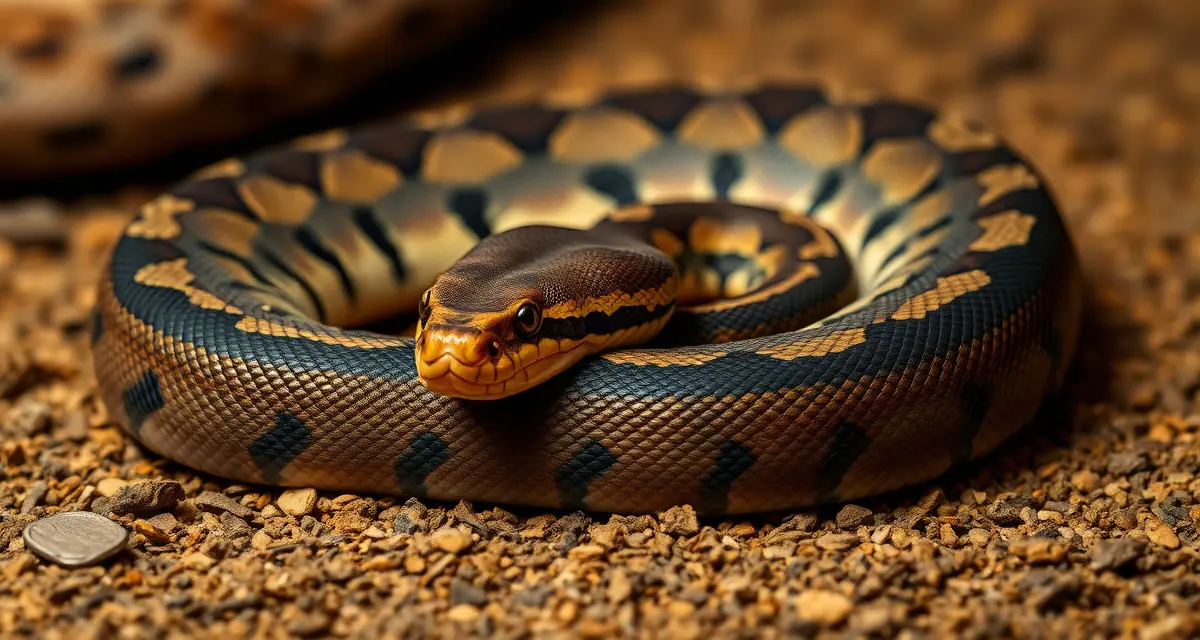
Burmese Python Seasonal Cycling: Complete Breeder Guide
Seasonal cycling in Burmese pythons triggers the hormonal cascade that drives breeding behavior, follicle development, and ultimately egg production. Without intentional cycling, captive Burmese pythons maintained at constant warm temperatures year-round often fail to breed reliably even when animals are at appropriate body weight and apparent health. Breeders using integrated software report 30% less time on administrative tasks -- time that goes back into monitoring your animals through the cooling period and transition back to breeding temperatures.
TL;DR
- Burmese pythons (Python bivittatus) are among the largest constrictors in captivity, with breeding females commonly exceeding 100-200 lbs.
- Clutch sizes average 25-50 eggs, making Burmese pythons among the most productive large constrictors in captive breeding.
- Cycling typically involves a 4-8 week period of reduced temperatures (dropping 8-12 degrees Fahrenheit) and reduced feeding frequency.
- Incubation parameters runs 60-65 days at 88-90 degrees Fahrenheit, with females capable of thermoregulating eggs by muscular shivering.
- Compliance requirements requirements for Burmese python ownership and interstate transport vary by state, with federal protections under the Lacey Act applying in some jurisdictions.
Burmese python cycling is less complex than for some species, but the timing and temperature targets matter. Getting cycling right is the foundation of a productive breeding season.
The Purpose of Cycling
In the wild, Burmese pythons experience a cool, dry season in their native Southeast Asian range that corresponds to the breeding season. Temperature drops and reduced rainfall signal breeding time. In captivity, you replicate these environmental cues by deliberately reducing temperatures and altering the photoperiod.
The cycling period serves several functions: it brings males and females into reproductive readiness simultaneously, it triggers follicle development in females, and it stimulates sperm production in males. Animals that have been properly cycled show clear behavioral responses when introduced for breeding. Uncycled animals often show little to no interest in breeding introductions even when physically mature.
Temperature Targets for Cycling
The standard Burmese cycling protocol involves dropping ambient room temperatures to 72-78F from a normal maintenance range of 80-88F. The warm-side access point should remain available at 85-90F so animals can still thermoregulate if they need to, but the ambient cool side drops to the target range.
Make the temperature change gradually -- 2-3 degrees per week is a reasonable rate. An abrupt large temperature drop can stress animals unnecessarily and doesn't more effectively trigger breeding behavior than a gradual reduction. Start in October for most Northern Hemisphere programs and reach target cycling temperatures by early to mid-November.
Monitor actual temperatures in the cycling area, not just your thermostat setting. Large enclosures in rooms with variable heating may not reach the same temperature at every location. Use data loggers or regular probe readings to verify actual ambient temperatures throughout the cycling area.
Photoperiod and Light Management
Reducing daylight hours in your breeding room supplements temperature drops in signaling seasonal change. If you use artificial lighting, reduce the light cycle from your maintenance standard (typically 12-14 hours) to 10 hours per day. Make this reduction gradually over 2-3 weeks concurrent with your temperature drop.
Natural light from windows can complicate photoperiod management, especially if your facility doesn't have complete light control. If your cycling room has significant natural light exposure, either use blackout curtains or accept that photoperiod manipulation will be partial at best. Temperature cycling alone produces results for most Burmese breeders even without precise photoperiod control.
Feeding Changes During Cycling
Most Burmese pythons reduce their feeding response during cycling. Some animals fast entirely for the duration of the cooling period. This is expected and normal. Don't force-feed animals that are refusing during cycling unless they were already underweight going into the process.
If a cycled animal that was previously refusing starts actively seeking food during the cooling period, that's usually fine -- allow the animal to eat if it's interested. Forced fasting during cycling isn't necessary; naturally reduced feeding is the goal.
When you bring temperatures back up in late January to February and animals resume active feeding, you know the cycling period has been effective. The return to feeding combined with the warming temperatures sets the stage for breeding introductions.
Ending the Cycling Period and Warming Up
After 6-8 weeks of reduced temperatures, begin warming your facility back toward breeding temperatures. Bring ambient temperatures up over 2-3 weeks toward your normal maintenance range. Simultaneously begin restoring normal photoperiod hours.
As temperatures warm, animals should become more active, return to regular feeding, and males should begin showing active breeding behavior when introduced to females. If males are still lethargic and disinterested after full warming, they may need additional time or a more aggressive cycling protocol next season.
HatchLedger lets you log your cycling start and end dates, temperature readings during the cycling period, and feeding behavior changes for each animal, building a seasonal management record.
HatchLedger connects seasonal management records to breeding outcomes so you can evaluate whether your cycling protocol is producing the results you're looking for.
Frequently Asked Questions
What is the best approach to Burmese python seasonal cycling?
Begin cycling in October with a gradual temperature reduction over 2-3 weeks, targeting ambient temperatures of 72-78F while maintaining warm-spot access at 85-90F. Reduce photoperiod to 10 hours simultaneously. Maintain cycling conditions for 6-8 weeks before warming back up. Allow normal feeding reduction during cycling without force-feeding. Log the cycling start date, temperature drops, and feeding changes for each animal. Begin introductions after warming is complete and animals are showing active feeding and behavioral responses.
How do professional breeders handle Burmese python seasonal cycling?
Professional Burmese breeders run their cycling protocols on a documented schedule rather than by intuition. They track actual cycling temperatures with monitoring equipment, note feeding changes for each animal, and log the transition back to breeding temperatures. Over multiple seasons, they can compare cycling protocols against breeding outcomes and adjust timing or temperature targets if results aren't meeting expectations. They also monitor body condition carefully during cycling to ensure animals aren't losing excessive weight during the food reduction period.
What software helps manage Burmese python cycling records?
HatchLedger tracks every animal, clutch, and sale record for Burmese python breeders, with documentation that supports regulatory compliance and buyer confidence. When managing large clutches and compliance requirements simultaneously, a connected system prevents the record-keeping gaps that create problems at sale. Free for up to 20 animals.
Are Burmese pythons legal to own and breed in all US states?
No. Burmese pythons are listed as an injurious species under the Lacey Act, which restricts interstate transport. Several states have additional bans on ownership entirely. Check current state and federal regulations before acquiring or transporting animals. USARK maintains updated resources on applicable regulations.
How large should a Burmese python enclosure be for a breeding pair?
Breeding females typically require enclosures of at least 8x4 feet and often larger for full-grown adults. Dedicated breeding rooms or custom builds are standard at scale. Thermal gradient with hot spots at 88-92 degrees Fahrenheit and ambient temperatures in the mid-70s allows proper thermoregulation.
Sources
- USARK (United States Association of Reptile Keepers)
- Association of Reptilian and Amphibian Veterinarians (ARAV)
- US Fish and Wildlife Service (Injurious Wildlife regulations)
- Journal of Herpetology (Society for the Study of Amphibians and Reptiles)
- Florida Fish and Wildlife Conservation Commission
Get Started with HatchLedger
Burmese python breeding involves large animals, large clutches, and compliance documentation that is difficult to manage without a dedicated system. HatchLedger tracks every animal, clutch, and sale record in one place, giving you the documentation you need for regulatory compliance and buyer confidence. Try it free with up to 20 animals.