Ball Python Quarantine Protocol for New Acquisitions
Every new animal that enters your collection is a potential disease vector. Parasites, respiratory infections, IBD (Inclusion Body Disease), and bacterial infections can devastate a collection if an infected animal is introduced without adequate quarantine. A proper quarantine protocol is non-negotiable for any collection with more than a few animals.
TL;DR
- Ball python breeding operations require systematic record-keeping from pre-season preparation through end-of-season sales.
- Females at 1,200-1,500g or more are the target weight before introducing them to a breeding male.
- Ovulation detection is the key event that anchors pre-lay shed and lay date calculations.
- Clutch profitability guide depends on understanding actual cost basis per animal, not just gross sale revenue.
- Well-documented animals with complete feeding histories and clear genetic records consistently sell faster and at higher prices.
Why Quarantine Matters
The math is simple: infecting 30 animals because you didn't quarantine one new acquisition properly will cost you far more in veterinary bills, lost animals, and stunted breeding seasons than any quarantine inconvenience.
Ball pythons can carry:
- Mites (often visible as tiny dots moving on the animal or in the enclosure)
- Respiratory infections (bacterial or viral; some are highly contagious)
- IBD (Inclusion Body Disease), fatal and spreads through contact and mites; no cure
- Cryptosporidiosis, intestinal parasite, highly persistent, difficult to eradicate
- Various bacterial infections that appear after the stress of shipping and handling
An animal that looks healthy at acquisition can be incubating any of these.
Quarantine Basics
Duration
Minimum 60-90 days. Longer if any health concerns arise.
Some experienced breeders quarantine for 6 months before introducing new animals to their main collection. For high-value animals from unknown sources or imports, longer quarantine is appropriate.
Physical Separation
Quarantine animals must be kept in a physically separate space from your main collection. "Separate shelf in the same room" is not adequate quarantine, mites can travel between enclosures in the same room, and aerosolized pathogens reach animals in the same airspace.
Ideal quarantine space:
- Separate room with its own air supply (closed door at minimum)
- Different clothing/gloves when handling quarantine animals
- Quarantine equipment stays in the quarantine room
Quarantine Setup
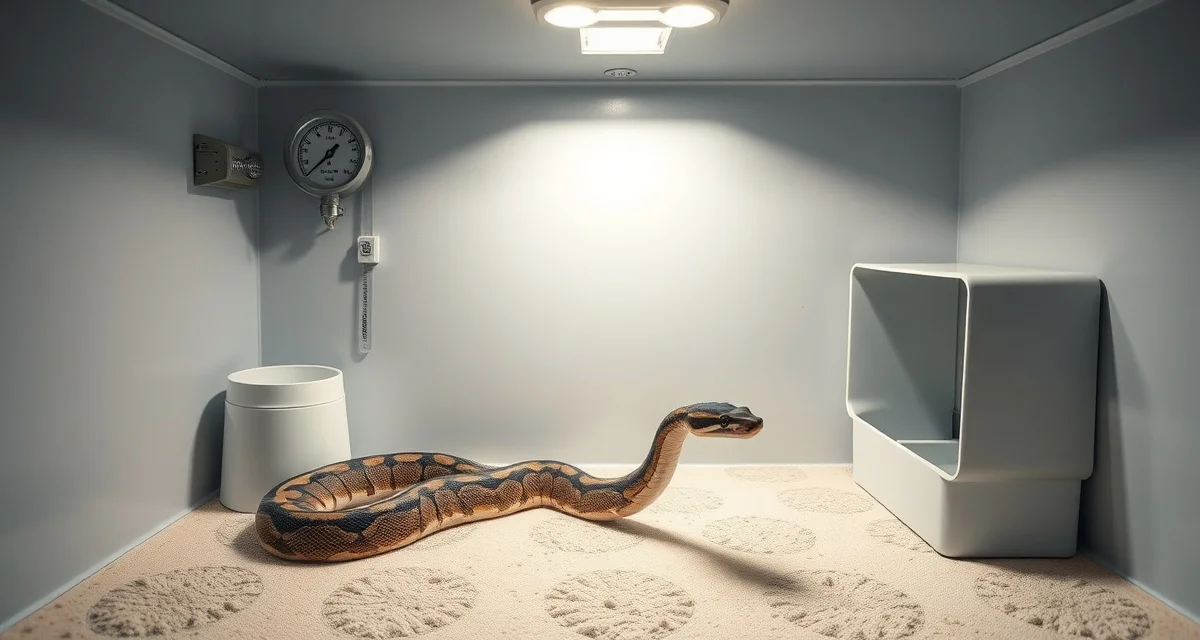
Keep it simple. Quarantine animals go in bare enclosures:
- Paper towel substrate (easy to change, easy to monitor for parasites/abnormal feces)
- One hide
- Water dish
- No decorations or substrate that could harbor parasites
This isn't permanent housing, it's medical surveillance.
What to Monitor During Quarantine
Week 1-2:
- Body condition, check for ribs visible, weight loss signs
- Skin, check for mites (tiny moving dots, especially around eye scales, heat pits, and scales along the spine)
- Eyes, clear and bright? Any swelling?
- Respiratory, any wheezing, clicking, mucus at nostrils?
- Activity level, active and alert or lethargic?
Week 3-8:
- First feeding attempt, did the animal eat? Ball pythons that haven't eaten in 2+ weeks with no known history of pre-shipping fasting are worth noting.
- Fecal exam, collect feces and take to a reptile vet for parasitology exam. This is one of the most valuable quarantine steps.
- Weight, weigh weekly and track in HatchLedger. Weight loss during quarantine despite eating indicates a problem.
Week 9-12:
- Second fecal exam if first showed parasites and treatment was administered
- Full behavioral assessment before considering introduction to main collection
Quarantine Records in HatchLedger
Create a HatchLedger record for every new animal the day it arrives. Log:
- Acquisition date and source
- Initial weight
- Quarantine start date
- Quarantine location
- Feeding attempts and outcomes
- Health observations each week
- Veterinary findings
When quarantine ends and the animal is cleared for your main collection, the HatchLedger record has a complete health history from day one. This is your baseline for future health monitoring.
Signs That Extend or Terminate Quarantine
Extend quarantine if:
- Any respiratory symptoms emerge at any point
- Mites are found (treat and restart quarantine clock)
- Weight loss despite eating
- Abnormal feces or positive fecal parasite test
Consider not introducing at all (and consult a vet) if:
- IBD symptoms appear (neurological signs, rolling, inability to right itself, stargazing)
- Severe respiratory infection that doesn't respond to treatment
- Cryptosporidiosis confirmed on fecal exam
After Quarantine
Before transferring a cleared animal to the main collection:
- Full body inspection, skin, eyes, mouth, cloaca
- One final weight check
- Update HatchLedger record with "quarantine cleared" notation and date
- Introduce to main collection housing
FAQ
What is the best approach to ball python quarantine protocol?
Separate physical space, minimum 90 days, fecal exam in weeks 2-3, weekly weight tracking. Never shortcut the time, most contagious conditions don't show obvious symptoms immediately. Any health concern observed during quarantine resets the clock. The cost of proper quarantine is trivial compared to the cost of an outbreak in your main collection.
How do professional breeders handle ball python new animal quarantine?
Experienced breeders have a dedicated quarantine room, not just a corner. They use separate equipment (tongs, water dishes, substrates) that never contact main collection animals. They get fecal exams on every new acquisition. They don't introduce any new animal to the main collection in less than 60 days, 90-180 days is common in serious operations.
Sources
- USARK (United States Association of Reptile Keepers)
- Association of Reptilian and Amphibian Veterinarians (ARAV)
- World of Ball Pythons (WoBP genetics reference database)
- MorphMarket (reptile industry marketplace)
- Reptiles Magazine (Bowtie Inc.)
Get Started with HatchLedger
Every part of a ball python breeding operation -- from pairing records to clutch documentation to financial tracking -- works better when the data is connected rather than scattered across notebooks and spreadsheets. HatchLedger is built for exactly that. Try it free with up to 20 animals.