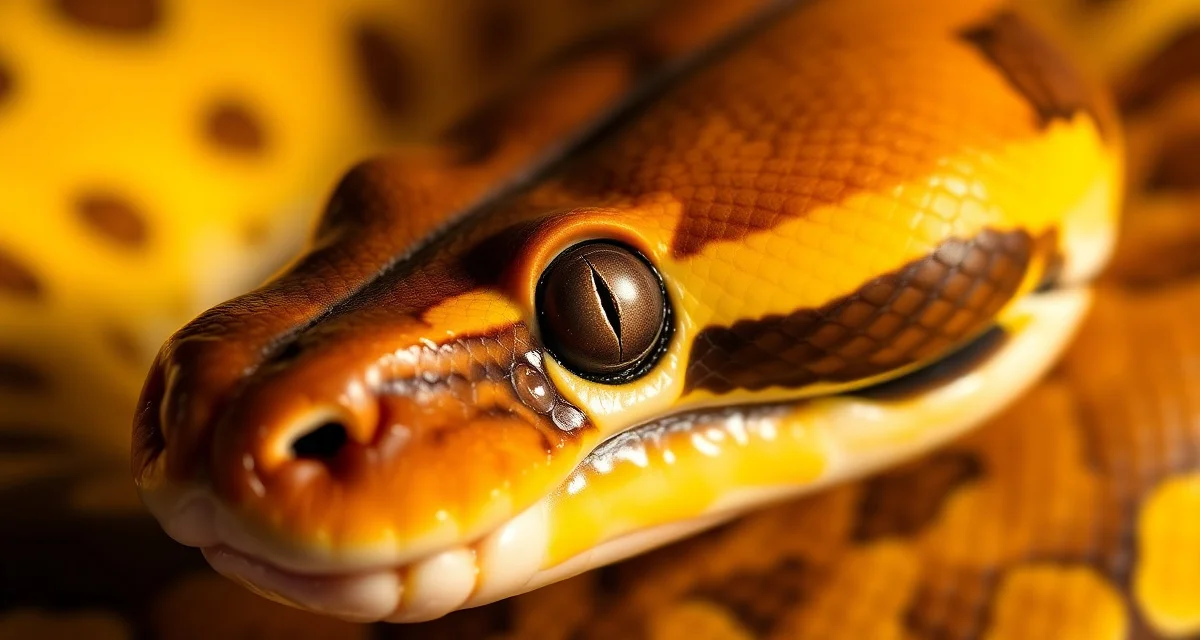
How to Detect Ovulation in Ball Pythons
You can track every lock date perfectly and still miss the single most important event in your breeding season. Ovulation happens once, lasts 24-48 hours, and if you don't catch it, or only catch it retrospectively, your entire incubation timeline is an estimate.
TL;DR
- Ball python breeding operations require systematic record-keeping from pre-season preparation through end-of-season sales.
- Females at 1,200-1,500g or more are the target weight before introducing them to a breeding male.
- Ovulation detection is the key event that anchors pre-lay shed and lay date calculations.
- Clutch profitability guide depends on understanding actual cost basis per animal, not just gross sale revenue.
- Well-documented animals with complete feeding histories and clear genetic records consistently sell faster and at higher prices.
This guide explains what ovulation looks like, how to catch it reliably, what to do if you miss it, and how to use post-ovulation events to confirm your timelines.
What Ovulation Looks Like
Ovulation in ball pythons is a physical event: the follicles move from the ovaries into the oviducts, creating a visible mid-body swelling that's present for roughly 24-48 hours before resolving.
The appearance:
- The female's body shows a distinct swelling in the posterior third to mid-body
- From above, the snake looks wider at the mid-point than she normally does
- From the side, the swelling is visible as a smooth, firm mass
- It's not subtle, a breeder who knows what they're looking for will see it clearly
The location:
The ovulation swell typically occurs roughly in the posterior half of the body, below the mid-point toward the vent. The exact location varies between animals. Smaller females show it more prominently than very large, thick-bodied females where the swelling may be less visually obvious but still palpable.
Duration:
24-48 hours. Most breeders report the visible swell is obvious for one day, sometimes persisting into a second day before resolving. This brief window is why you need to be checking frequently.
How to Reliably Catch Ovulation
Daily visual checks during breeding season. From December through March for most northern hemisphere breeders, you should be looking at every breeding female every day or every other day minimum. This doesn't mean a full handling, it means opening the rack, observing the female's shape from above and side, looking for that characteristic mid-body swelling.
Time investments pay off. A 30-second visual check per female per day adds up to maybe 5-10 minutes for a collection of 10-20 breeding females. Missing ovulation costs you timeline certainty for the entire season.
After confirmed locks. Once you've documented confirmed locks from a pairing, increase your check frequency. The average time from first lock to ovulation varies widely, anywhere from 2 weeks to 8+ weeks. You can't predict it precisely, but once you've seen multiple locks, the probability of imminent ovulation increases.
Palpation: Experienced breeders can feel the ovulation swell before it's clearly visible. Gently cupping the female and running your hands along the posterior third of her body can reveal the firm mass of follicles in the oviducts. If you're not confident with palpation technique, visual checks are safer, improper palpation pressure can stress the female and potentially cause complications.
What to Do When You Catch It
The moment you identify ovulation:
- Log it immediately. Date, time if possible, which female, which pairing. This is your anchor point for all subsequent timeline calculations.
- Calculate expected pre-lay shed. Pre-lay shed typically occurs 28-35 days post-ovulation. Write down the date range.
- Calculate expected lay date. Egg laying typically occurs 28-35 days after pre-lay shed, so roughly 56-70 days post-ovulation.
- Stop pairing this female. She's confirmed pregnant. Continued male introductions add stress without benefit.
- Adjust husbandry. Gravid females often benefit from a hot spot slightly higher than normal (90-92°F) during egg development. Many females will spend more time in the hot zone as follicles develop. Ensure constant access to fresh water.
Post-Ovulation: Timeline Anchor Events
Even if you miss ovulation itself, you can establish your timeline from two subsequent events:
Pre-Lay Shed
This is the most reliably observed event in the breeding cycle. The female will shed her skin approximately 28-35 days after ovulation, not correlated with any other shed cycle, this shed happens specifically as part of the reproductive process.
What makes it distinctive:
- Often the female's coloration changes (looks slightly "dull" or "blue" in the days before)
- May occur outside normal shed cycle timing
- After this shed, egg laying is 28-35 days away
If you miss ovulation but catch the pre-lay shed, log it immediately and count forward: eggs in 28-35 days, hatchlings in 83-95 days from this shed.
Egg Laying
The fallback if you miss everything else. Log the lay date and count incubation time from there. At 88-90°F, hatch in 54-60 days. You won't have the ovulation or pre-lay shed dates for complete records, but at least your incubation timeline is anchored.
Missed Ovulation: Signs in Hindsight
Sometimes you'll find clear evidence of ovulation after the fact without having caught it in real time:
- Female refuses food suddenly: Many females stop eating post-ovulation. Consistent feeding → sudden long-term refusal in a breeding female often corresponds to ovulation and subsequent follicle development.
- Shape change over days: Without seeing the active swell, you may notice the female looks "thicker" than usual. This can indicate she's gravid even if you missed the 24-48 hour ovulation window.
- Male disinterest: Males often lose interest in a female post-ovulation. If your male was actively breeding and suddenly shows no interest across multiple introductions, consider whether the female may have already ovulated.
Logging Ovulation in HatchLedger
HatchLedger's breeding cycle tracker has a dedicated ovulation event field for each pairing. Log the date, and the incubation timeline manager automatically calculates:
- Expected pre-lay shed window (28-35 days out)
- Expected lay date (56-70 days out from ovulation)
- Expected hatch window (110-130 days out from ovulation)
All of this links to the clutch record when eggs are laid, connecting the reproductive timeline to the incubation and hatchling records in one chain.
FAQ
What is the best approach to ball python ovulation detection?
Daily visual checks on all breeding females from December through March. You're looking for a smooth, firm swelling in the posterior third to mid-body that wasn't there the day before. The swell lasts 24-48 hours, if you check every other day, you risk missing it entirely. Once you've documented multiple locks from a pairing, increase check frequency since ovulation probability is higher.
How do professional breeders handle ball python ovulation detection?
Most professional breeders build daily or near-daily female checks into their routine during breeding season. Many use a rack design that allows a quick visual assessment of every female without opening individual enclosures, simply scanning from above shows any unusual mid-body swelling. They log ovulation dates immediately when observed and use those dates to calculate expected pre-lay shed and egg-laying windows.
What software helps manage ball python ovulation detection?
HatchLedger is purpose-built for reptile breeders, connecting animal records, breeding history, clutch outcomes, and financial tracking in one connected system. Unlike general spreadsheets or notes apps, it's designed around the specific workflow of an active breeding season -- from pairing records through hatchling inventory and sales documentation. Free for up to 20 animals.
Sources
- USARK (United States Association of Reptile Keepers)
- Association of Reptilian and Amphibian Veterinarians (ARAV)
- World of Ball Pythons (WoBP genetics reference database)
- MorphMarket (reptile industry marketplace)
- Reptiles Magazine (Bowtie Inc.)
Get Started with HatchLedger
Every part of a ball python breeding operation -- from pairing records to clutch documentation to financial tracking -- works better when the data is connected rather than scattered across notebooks and spreadsheets. HatchLedger is built for exactly that. Try it free with up to 20 animals.