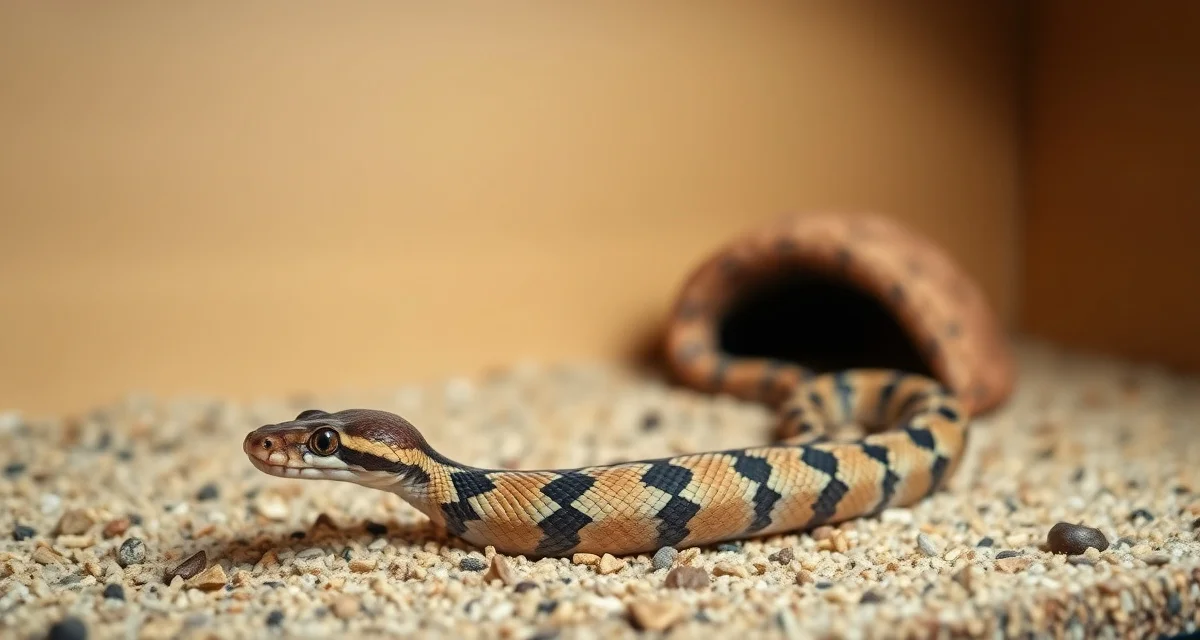
Boa Constrictor Feeding Hatchlings: Complete Breeder Guide
By HatchLedger Editorial Team · Published 2025-01-29 · Updated Mar 13, 2026
Getting boa constrictor neonates established on a consistent feeding schedule is one of the most critical tasks in their first weeks of life. Unlike ball pythons, which are notorious for feeding strikes, most boa neonates will accept prey readily once they've completed their first shed. But "most" isn't all -- some neonates require patience and creative approaches. Breeders using integrated software report 30% less time on administrative tasks, which means more time for hands-on observation of your neonate cohort during this important period.
TL;DR
- Boa constrictors are viviparous (live-bearing), with gestation lasting 5-8 months depending on subspecies and husbandry conditions.
- Seasonal cycling typically starts in October with a 5-10 degree Fahrenheit temperature reduction and reduced photoperiod.
- Litter sizes average 15-25 neonates for Boa constrictor imperator, though some localities and true red-tails average smaller litters.
- Confirming pregnancy in boas is subtler than in ball pythons and often requires close behavioral observation or portable ultrasound.
- Logging every pairing date and gestation-period observation gives you the data to accurately predict birth windows and prepare appropriate neonate housing.
The window between birth and the first accepted meal is a vulnerable period for boa neonates. Animals that go 4-6 weeks without eating will begin losing condition, and a neonate that starts life in a caloric deficit has a harder road ahead. Getting the timing, prey size, and feeding method right from the start sets each animal up for healthy growth.
Timing the First Feeding Attempt
Don't offer prey to a newly born boa neonate before their first shed is complete. Neonates need to shed first, and attempting to feed a pre-shed neonate usually results in refusal anyway. The first shed typically happens 7-14 days post-birth.
After the shed completes, wait 48-72 hours before offering the first meal. This short waiting period allows the neonate to fully recover from the shed process and reduces stress. The first feeding attempt should happen during the animal's active period -- usually in the evening or when the lights are low.
Prey Size and Type
Prey size is the single most important factor in whether a boa neonate accepts its first meal. The prey item should be roughly the same width as the neonate's head, or very slightly larger. Neonates from a large, well-fed female may be big enough to accept small fuzzy mice at birth. Smaller neonates may need to start on adult pinky mice or rat pinkies.
Frozen/thawed prey is the preferred starting point for most experienced breeders. F/T prey is safer (no risk of injury from live prey), easier to store in bulk, and teaches the neonate to accept non-live prey from the start. Warm the prey item to just above room temperature -- around 90-95F at the surface -- using warm water before offering. Cold prey is frequently refused.
If F/T is refused after 2-3 attempts, try fresh-killed prey. This provides more scent stimulus. Fresh-killed is safer than live and still more palatable to reluctant feeders than F/T.
Dealing With Reluctant Feeders
A neonate that refuses three or four meals is not yet cause for alarm, but it is cause for systematic troubleshooting. Work through these approaches in order:
Brain the prey item. Opening the skull slightly releases stronger scent signals. Many reluctant feeders that won't touch an intact prey item will take a brained pink.
Warm the prey more. Some neonates need prey at a higher temperature, closer to 100-105F at the surface. This is especially true for animals that are primarily responding to heat signatures.
Use a paper bag method. Place the neonate and prey together in a small, dark paper bag overnight. The confined space and darkness encourage natural predatory behavior. Check in the morning -- many previously reluctant feeders will have eaten in this setup.
Try scenting. Rub the prey with shed skin from a garter snake or anole. The lizard or small snake scent can trigger feeding in animals that aren't responding to rodent scent.
Offer live. Live prey should be a last resort, used only when other methods have failed and only under supervision to prevent injury to the neonate.
Log every feeding attempt with method used and outcome. This creates a record that helps you see what's working and when a neonate's refusal pattern is becoming a health concern.
Building a Feeding Schedule
Once a neonate accepts its first meal, establish a consistent feeding schedule. For boa neonates, offering prey every 7-10 days is appropriate. Smaller prey items more frequently is generally better than large items at longer intervals at this stage -- it's easier for a small animal to handle and process.
Increase prey size incrementally as the neonate grows. A rough guideline: the prey item should be no more than 1.25 times the diameter of the widest part of the snake's body. When the animal starts constricting prey that's obviously too small, it's time to step up.
HatchLedger lets you log feeding records for each neonate individually, tied to its unique ID and linked to the parent clutch record. When you're managing 20-30 neonates from a single litter, the ability to see at a glance who ate last week and who still hasn't taken their first meal is essential.
Tracking Growth Against Feeding History
Monthly weight checks let you verify that your feeding schedule is supporting healthy growth. A boa neonate that's feeding regularly should be gaining weight consistently. Flat or declining weight over 4-6 weeks, despite apparent feeding, can indicate a health issue -- parasites, a viral infection, or a digestive problem -- and warrants veterinary evaluation.
HatchLedger connects husbandry logs to clutch P&L so you can track the full cost of raising each animal, including extra time invested in reluctant feeders, through to sale.
Frequently Asked Questions
What is the best approach to feeding boa constrictor neonates?
Wait until after the first shed completes, then offer appropriately-sized frozen/thawed prey warmed to about 90-95F. Prey should be approximately the same width as the neonate's head. If F/T is refused, work through a progression: brained prey, fresh-killed, paper bag method, scented prey, and finally live as a last resort. Log every attempt with date and outcome. Establish a 7-10 day feeding schedule once the first meal is accepted, and check weights monthly to confirm healthy growth.
How do professional breeders handle boa constrictor neonate feeding?
Professional breeders treat neonate feeding as a protocol, not a casual process. They use a consistent, progressive troubleshooting approach for reluctant feeders rather than improvising. They log every feeding attempt, which lets them identify animals that are struggling early and intervene before condition declines. They also track the first feeding acceptance date and subsequent feeding success rate for every neonate -- this data is useful both for managing the current litter and for understanding patterns from specific parent pairings that might indicate a line-level issue with feeding response.
What software helps manage boa constrictor neonate feeding records?
HatchLedger is purpose-built for reptile breeders, connecting animal records, breeding history, clutch outcomes, and financial tracking in one system. Unlike generic spreadsheets, it's designed around the specific workflow of an active breeding season. Free for up to 20 animals.
How do you sex boa constrictor neonates?
Boa constrictor neonates can be sexed by probing or by popping, both of which should be performed by an experienced keeper to avoid injury. Males typically probe to 4-8 subcaudal scales and females probe to 2-3. Recording sex in your records at birth is important for accurate inventory and sales documentation.
How long does it take a boa constrictor to reach breeding weight?
Most B. c. imperator females reach breeding weight (typically 3,000-5,000g depending on locality) at 3-4 years under good feeding conditions. True red-tailed boas (B. c. constrictor) grow larger and may take 4-5 years. Males of most localities are ready to breed at 18-24 months.
Can boa constrictors produce back-to-back litters in consecutive years?
Most experienced breeders rest females for a full season after a large litter to allow proper body condition recovery. A female that drops significant weight during a long gestation needs adequate recovery time before the next breeding cycle. Tracking body weight before and after gestation is the best guide.
What is Boa Constrictor Feeding Hatchlings: Complete Breeder Guide?
This is a comprehensive guide for reptile breeders covering the critical early feeding period for boa constrictor neonates. It addresses the window between birth and first accepted meal, feeding schedules, prey selection, and handling feeding strikes. The guide draws on practical breeder experience with species like Boa constrictor imperator, covering neonate behavior post-shed, litter management for cohorts of 15-25 neonates, and record-keeping strategies to track feeding success across an entire litter.
How much does Boa Constrictor Feeding Hatchlings: Complete Breeder Guide cost?
This is a free educational article published on HatchLedger. There is no purchase required to access the breeder guide. HatchLedger provides reptile breeding resources, care guides, and husbandry information at no cost to hobbyist and professional breeders alike. Optional breeder management software referenced in the article may have its own pricing, but the guide itself is freely available to anyone looking to improve their neonate feeding success rates.
How does Boa Constrictor Feeding Hatchlings: Complete Breeder Guide work?
The guide walks breeders through the neonate feeding process step by step. After birth, neonates undergo their first shed — typically within 7-14 days — which signals readiness to feed. The guide covers prey sizing, frozen-thawed versus live prey, feeding frequency, environmental conditions that encourage feeding responses, and troubleshooting techniques for reluctant feeders. It also emphasizes consistent observation and logging of each neonate's feeding history to identify problems early and adjust husbandry accordingly.
What are the benefits of Boa Constrictor Feeding Hatchlings: Complete Breeder Guide?
Following this guide helps breeders establish neonates on reliable feeding schedules faster, reducing stress on both the animals and the keeper. Early feeding success supports healthy growth rates, immune function, and long-term temperament. Detailed record-keeping practices outlined in the guide enable breeders to predict feeding patterns, identify outliers in a litter, and make data-driven husbandry decisions. Breeders using integrated tracking tools report up to 30% less time on administrative tasks, freeing more time for hands-on neonate observation.
Who needs Boa Constrictor Feeding Hatchlings: Complete Breeder Guide?
This guide is written for boa constrictor breeders at all experience levels — from hobbyists welcoming their first litter to established breeders refining their neonate management protocols. It is especially useful for anyone working with larger litters of Boa constrictor imperator or locality boas where managing 15-25 neonates simultaneously requires a systematic approach. Breeders transitioning from ball pythons will also find value in understanding how boa neonate feeding behavior and feeding-strike tendencies differ from other commonly kept pythons.
Related Articles
- Boa Constrictor Clutch Size and Egg Count: Complete Breeder Guide
- Boa Constrictor Common Breeding Issues: Complete Breeder Guide
- Boa Constrictor Common Health Issues: Complete Breeder Guide
- Boa Constrictor Compliance and Shipping: Complete Breeder Guide
Sources
- USARK (United States Association of Reptile Keepers)
- Association of Reptilian and Amphibian Veterinarians (ARAV)
- Herpetologica (Herpetologists League)
- Reptiles Canada Magazine
- World Animal Protection
Get Started with HatchLedger
Boa constrictor breeding involves months of gestation monitoring, pairing records, and litter documentation that is difficult to track reliably across multiple females using notebooks or generic spreadsheets. HatchLedger gives you a single connected system for all of it, from cycling start through neonate sale. Try it free with up to 20 animals.