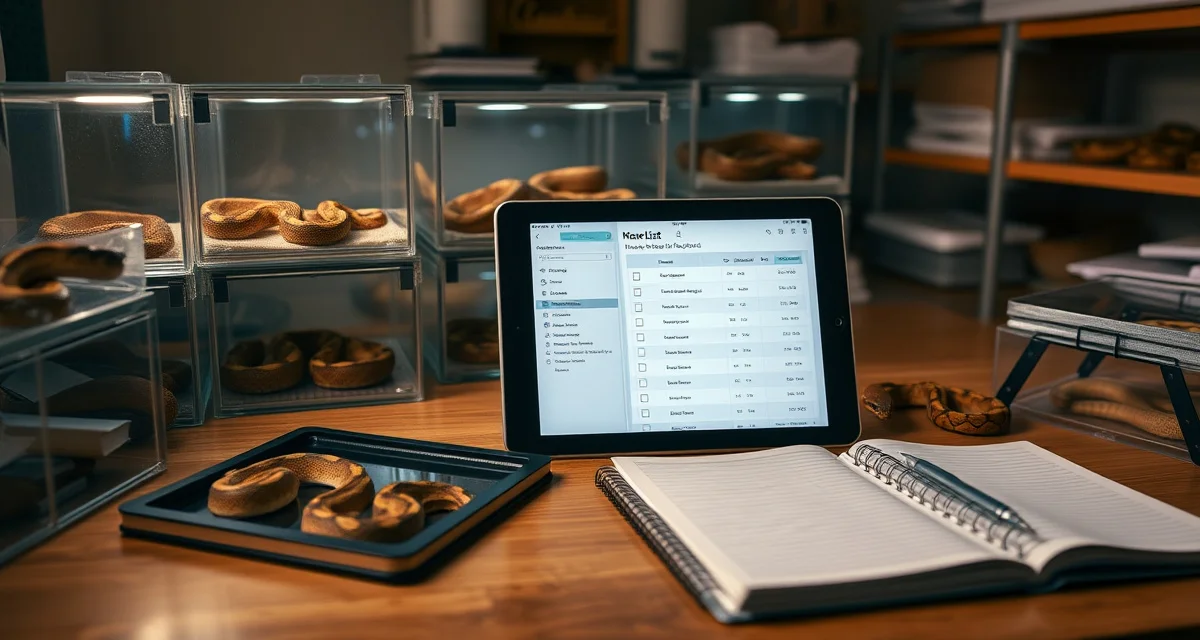
Boa Constrictor Buyer Waitlist Management: Complete Breeder Guide
A waitlist is one of the most effective sales tools a boa breeder can build, but managing it poorly does more harm than good. Buyers who sign up for a waitlist expect to hear from you when animals are available, to receive accurate information about what's coming, and to have a clear process for completing their purchase. Breeders using integrated software report 30% less time on administrative tasks, which is time you need to maintain buyer relationships through the long wait periods that boa breeding involves.
TL;DR
- Boa breeding timelines can span 7 months from waitlist signup to birth, plus another 60-90 days before animals are ready to ship, making structured buyer communication essential.
- Even a small deposit of $50-100 filters out casual browsers and helps you gauge which waitlist buyers are genuinely committed.
- Organize waitlist entries by what each buyer specifically wants (morph, sex, price range), not just which litter they're interested in, so you can match animals efficiently when a litter arrives.
- Periodic season updates, such as confirming a cycling protocol in October or a gravid female in February, prevent buyers from going elsewhere during long wait periods.
- Give each waitlist buyer a defined 48-72 hour response window when animals are ready before moving to the next person in line.
- Keeping waitlist records in a dedicated system rather than your email inbox ensures you can pull up the full buyer list the moment a litter is born.
- Connecting sales records to your P&L automatically means every waitlist conversion is captured in your financial tracking without manual data entry.
Boa breeding timelines are long. If a buyer gets on a waitlist in October and your female delivers in May, that's a 7-month wait before the animal is even born -- and another 60-90 days before it's established on feed and ready to ship. Keeping buyers engaged and informed through that timeline requires an organized approach.
Why Boa Breeding Demands a Formal Waitlist
Unlike impulse purchases of readily available animals, specific boa morphs from specific breeders can be genuinely scarce. Buyers interested in a Hypo Motley boa from a proven line have limited options -- they may be choosing between a handful of breeders who work that project. Getting on your waitlist puts them first in line.
A waitlist also gives you sales certainty for the season. If you know you have 8 serious buyers waiting for animals from a specific litter, you can make planning decisions around that demand. You know roughly how many animals need to reach saleable condition before you can recoup your investment.
Without a waitlist, sales happen reactively -- you produce animals and then scramble to find buyers after the fact. With a waitlist, you're matching animals to buyers who've already expressed intent.
Building Your Waitlist Intake
Every waitlist entry should capture:
- Buyer name and contact information (email and phone)
- What they're looking for (morph, sex preference, price range)
- How they found you (referral, social media, MorphMarket)
- Date added to the waitlist
- Any deposits taken and terms
Deposits are optional but useful for separating serious buyers from browsers. Even a small deposit ($50-100) filters out people who were casually interested. Be clear about your refund policy for deposits if a litter doesn't produce the animal the buyer wanted.
Keep your waitlist entries in your records system, not just in your inbox. Emails get buried, inboxes get disorganized, and contacts get lost. A dedicated record for each waitlist buyer means you can quickly pull up the full list when a litter is born and match animals to waiting buyers.
Communicating with Waitlist Buyers
Buyers on a long waitlist appreciate periodic updates, even when there's nothing to report. A brief message in early October saying "we're starting our cycling protocol this week" and a follow-up in February confirming "female appears to be gravid, expecting delivery in late spring" keeps buyers engaged and prevents them from going elsewhere out of uncertainty.
Overcommunication is rarely a problem with reptile buyers. The hobby moves at the pace of biology, and serious buyers understand that. What they don't appreciate is silence for months followed by a surprise "the litter is here, do you still want an animal?" message.
When a litter arrives and animals are established on feed, notify your waitlist buyers in order. Give each buyer 48-72 hours to respond and confirm their pick before moving to the next buyer in line. Be clear about your payment and shipping terms in the notification.
Matching Animals to Buyers
Boa litters produce a range of morph outcomes, particularly in het projects. A litter from two het-albino parents produces a mix of visual albinos, het albinos, and normals. Different buyers on your waitlist may be waiting for different outcomes from that same litter.
Organize your waitlist by what each buyer is specifically waiting for, not just which litter they're interested in. When the litter arrives and you've sexed and tentatively ID'd the morphs, you can match animals to buyers much more efficiently if you know exactly what each buyer wants.
HatchLedger gives you a place to manage buyer records alongside your animal inventory tracking, so the connection between "neonate ID #24-F03-012" and "buyer Jane Smith waiting for a female albino" is visible in one system rather than tracked across separate lists.
HatchLedger connects sales records to your P&L so every waitlist conversion shows up in your revenue tracking automatically.
Frequently Asked Questions
What is the best approach to managing a boa constrictor buyer waitlist?
Create a structured intake process that captures buyer name, contact details, what they're looking for, date added, and any deposit terms. Keep records in a dedicated system rather than your email inbox. Communicate with waiting buyers at regular intervals -- even brief updates about your breeding season status maintain engagement through long wait periods. When animals are ready, notify waitlist buyers in order and give a defined response window before moving to the next person. Match animals to buyer preferences systematically rather than on a first-come-first-served basis regardless of what each buyer wanted.
How do professional breeders handle boa constrictor buyer waitlist management?
Professional boa breeders treat their waitlist as a sales pipeline and manage it with the same organization they apply to their animal records. They capture structured intake data for each buyer, send periodic season updates, and have clear policies around deposits, refunds, and selection processes. When a litter arrives, they can match animals to waiting buyers quickly because they know what each buyer wants. This reduces the time between "litter born" and "all animals sold" considerably compared to breeders who handle sales reactively.
What software helps manage boa constrictor buyer waitlists?
HatchLedger provides buyer and waitlist management tools that connect directly to your animal inventory and sales records. When a neonate reaches saleable condition, you can match it to the appropriate waiting buyer from within the same system where you track the animal's feeding history and care records. Sales records connect to your P&L automatically, so waitlist conversions flow directly into your financial tracking without manual data transfer.
How many buyers should I keep on a waitlist for a single boa litter?
A practical rule is to maintain 1.5 to 2 times as many waitlist buyers as you expect to produce saleable animals from a given litter. Boa litters vary in size and morph outcomes, and some buyers will drop off during a long wait period. Having a modest buffer means you're unlikely to be left with unsold animals or scrambling for buyers if your first few contacts don't respond within the notification window.
Should I charge the same deposit amount for all buyers regardless of the morph they want?
Not necessarily. Deposits can reasonably reflect the expected sale price of the animal a buyer is waiting for. A buyer waiting for a visual albino from a proven line may warrant a larger deposit than someone waiting for a normal or het animal from the same litter. Tiered deposits also signal to buyers that rarer animals carry more commitment on both sides of the transaction, which tends to attract more serious inquiries for your highest-value animals.
What should I do if a waitlist buyer goes silent and doesn't respond when animals are ready?
Send a notification through at least two contact methods (email and phone or text) and document the date and method of each attempt. If the buyer doesn't respond within your stated window (typically 48-72 hours), move to the next person in line and note the outcome in the buyer's record. Keeping a clear record of your notification attempts protects you if a buyer later claims they weren't contacted, and it gives you useful data on which intake channels (referral, social media, MorphMarket) tend to produce buyers who follow through.
Sources
- Reptile Breeding and Husbandry Guidelines, United States Association of Reptile Keepers (USARK)
- MorphMarket Breeder Resources and Seller Best Practices, MorphMarket
- Small Business Sales Pipeline Management, U.S. Small Business Administration (SBA)
- Reptile and Amphibian Breeders Alliance (RABA) Industry Standards Documentation
- Captive Bred Wildlife Regulations and Record-Keeping Requirements, U.S. Fish and Wildlife Service (USFWS)
Get Started with HatchLedger
Managing a boa waitlist across a 7-to-10-month breeding cycle is much easier when your buyer records, animal inventory, and sales tracking all live in the same place. HatchLedger is built specifically for reptile breeders who need to connect those pieces without juggling spreadsheets and inboxes. Try HatchLedger free and see how much faster you can move from "litter born" to "all animals placed."