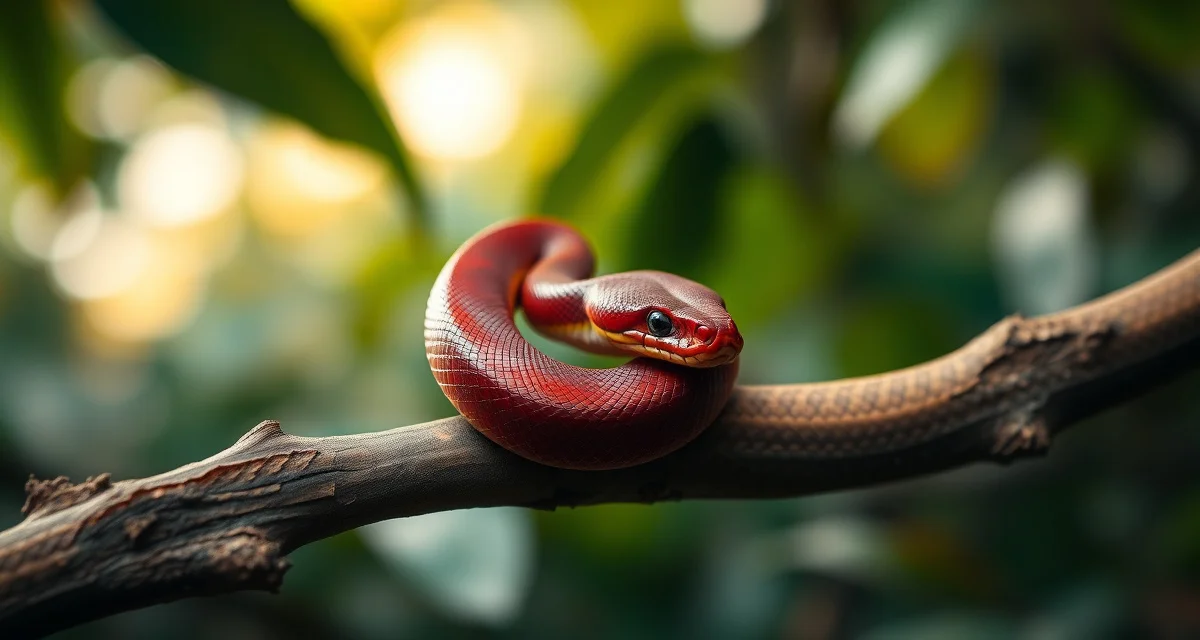
Blood Python Seasonal Cycling: Complete Breeder Guide
By HatchLedger Editorial Team · Published 2025-03-12 · Updated Mar 13, 2026
Blood python seasonal cycling differs from most other commonly bred python species because of the species' tropical origin. Sumatra and peninsular Malaysia don't experience dramatic seasonal temperature swings -- they have wet and dry seasons rather than warm and cold ones. This means the cycling triggers for blood pythons are more modest and nuanced than for temperate-climate species. Breeders using integrated software report 30% less time on administrative tasks, which matters when your cycling protocol requires more careful observation and less reliance on dramatic temperature changes.
TL;DR
- Blood pythons need only a 5-8F ambient temperature drop during cycling, not the dramatic reductions used for temperate-climate species.
- Cycling should mimic a dry season, not a cold season, modest humidity reduction to 60-70% is optional but may improve breeding response.
- Begin cycling in October for a Northern Hemisphere fall-through-spring breeding season, running the cool period for 3-5 weeks before warming back up.
- Increased male activity and tongue-flicking during the cooling period are the key behavioral indicators that your protocol is working.
- Females that haven't been adequately cycled may reject introductions even after temperatures return to normal, don't rush pairing.
- Established breeding pairs with proven track records may breed successfully with minimal cycling; first-time or inconsistent animals benefit most from a structured protocol.
- HatchLedger connects cycling records to breeding outcomes across multiple seasons, so you can replicate what worked and adjust what didn't.
Why Blood Pythons Still Need Cycling
Even though blood pythons come from relatively seasonally stable tropical environments, they still show improved breeding performance when given some form of seasonal environmental change. The difference is that the change needed is more about subtle shifts than dramatic drops.
The most effective cycling approach for blood pythons involves: a modest temperature reduction of 5-8F, a slight reduction in humidity, reduced feeding frequency, and possibly reduced photoperiod. These changes signal "dry season" rather than "cold season" and appear to trigger reproductive readiness better than year-round constant conditions.
Some blood python breeders report success without significant cycling -- particularly with established breeding pairs that have proven track records. For first-time breeders or inconsistent animals, cycling helps.
The Cycling Protocol
Begin modest cycling in October for a Northern Hemisphere fall-through-spring breeding season. Drop ambient temperatures from your maintenance range (82-86F ambient) to 76-80F over two to three weeks. Maintain warm-spot access at 88-90F throughout.
Reduce feeding to once every 21 days or stop feeding entirely for 3-4 weeks during the cycling period. Animals in good condition can handle this without significant weight loss.
Some breeders also reduce humidity slightly during cycling to about 60-70% from the normal 75-85%, mimicking the drier conditions of the dry season. This is optional but may improve breeding response.
Male Response During Cycling
Well-cycled male blood pythons often become notably more active during the cooling period. They move more, show increased tongue-flicking behavior, and may pace their enclosure. This is an indicator that your cycling protocol is having an effect. Males that remain lethargic through the entire cycling period may not be responding well and may need more time or a more pronounced temperature reduction. Tracking these behavioral observations for each animal across seasons helps identify which individuals respond to which adjustments.
Warming Up and Starting Introductions
After 3-5 weeks of cycling, begin warming animals back toward maintenance temperatures over 1-2 weeks. As temperatures rise, feeding response should return and male activity should peak. This is the window for pairing introductions.
Don't rush. Females that haven't been adequately cycled may reject introductions even when temperatures have returned to normal. Give each animal time to return to active behavior and feeding response before attempting introductions. Logging pairing introduction dates and outcomes alongside cycling data makes it easier to spot the timing patterns that produce successful locks.
HatchLedger logs cycling start dates, temperature observations, feeding changes, and behavioral notes for each animal.
HatchLedger connects cycling records to breeding outcomes for multi-season comparison.
Frequently Asked Questions
What is the best approach to blood python seasonal cycling?
Use modest cycling consistent with the species' tropical origin -- drop ambient temperatures 5-8F below maintenance (not the dramatic drops used for temperate-climate species). Reduce feeding frequency and optionally reduce humidity slightly. Maintain cycling for 3-5 weeks before warming back up. Observe male behavior for increased activity as an indicator of cycling success. Begin introductions after warming is complete and animals are returning to active feeding.
How do professional breeders handle blood python seasonal cycling?
Professional blood python breeders calibrate their cycling protocols to the species' biology rather than applying approaches designed for other species. They document actual temperatures achieved during cycling, note behavioral changes, and compare cycling protocols against breeding outcomes across seasons. For animals that have bred successfully before, they have the historical data to know what worked and can replicate it.
What software helps manage blood python cycling records?
HatchLedger logs cycling events alongside all other husbandry records, building a complete seasonal management timeline for each animal. Temperature observations, feeding behavior changes, and behavioral notes during cycling all become part of the permanent record that informs next season's planning.
How long should I wait after warming up before introducing a male to a female?
Most experienced blood python breeders wait until the female has resumed normal feeding behavior and the male is showing peak activity before attempting introductions. This typically means 1-2 weeks after temperatures have returned to maintenance range. Introducing too early, before the female has fully come out of the cycling period, often results in rejection and can set back your breeding timeline.
Can I cycle blood pythons that are underweight or in poor condition?
Cycling animals that are underweight is not recommended. The reduced feeding frequency during a cycling period places additional metabolic demands on the animal, and individuals that are already thin may lose condition quickly. Bring any underweight animals to a healthy body weight before beginning a cycling protocol, even if that means skipping a breeding season.
Do female blood pythons show visible behavioral changes during cycling the way males do?
Female blood pythons are generally less overtly active during cycling than males, making their response harder to read. Some females show reduced defensive behavior and increased exploratory movement as cycling progresses, but the clearest indicator of a well-cycled female is her receptivity when a male is introduced. Documenting her behavior during cycling across multiple seasons helps build a baseline for what her individual pre-breeding behavior looks like.
Does photoperiod reduction actually matter for blood python cycling?
The evidence among breeders is mixed. Because blood pythons originate from equatorial regions where day length varies very little year-round, photoperiod is likely a weaker cycling trigger for this species than it is for temperate-climate pythons. Some breeders reduce photoperiod slightly as part of a broader dry-season simulation, while others see no difference. Temperature and feeding reduction appear to be the more reliable levers for this species.
What is Blood Python Seasonal Cycling: Complete Breeder Guide?
Blood Python Seasonal Cycling: Complete Breeder Guide is a comprehensive resource for reptile breeders looking to successfully breed blood pythons (Python brongersmai). Unlike guides for temperate-climate species, it focuses on the unique tropical origins of blood pythons from Sumatra and peninsular Malaysia, explaining how to replicate dry-season conditions rather than cold-season cycles to trigger breeding behavior effectively.
How much does Blood Python Seasonal Cycling: Complete Breeder Guide cost?
This guide is a free educational article published on HatchLedger. There is no cost to access it. HatchLedger provides breeder-focused content at no charge, though the platform also offers breeding management software that can help streamline record-keeping and reduce administrative time during cycling and pairing seasons.
How does Blood Python Seasonal Cycling: Complete Breeder Guide work?
Blood python seasonal cycling works by making modest environmental adjustments over a 3-5 week period starting in October. Breeders lower ambient temperatures by just 5-8°F and optionally reduce humidity to 60-70% to mimic a dry season. Increased male activity and tongue-flicking signal the protocol is working. After the cool period, temperatures are restored before pairing introductions begin.
What are the benefits of Blood Python Seasonal Cycling: Complete Breeder Guide?
Proper seasonal cycling improves breeding success rates by priming both males and females hormonally. Males become more active and responsive, while females that are adequately cycled are far more likely to accept introductions. Skipping or rushing cycling often leads to female rejection of males. Following a structured protocol also helps breeders time pairings for a productive fall-through-spring breeding season.
Related Articles
Sources
- Ball Python and Related Species Husbandry Guidelines, Association of Zoos and Aquariums (AZA) Reptile TAG
- Reptile Breeding and Reproduction, Melissa Kaplan's Herp Care Collection
- Python Reproductive Biology, Journal of Herpetological Medicine and Surgery
- Tropical Python Husbandry and Breeding, Reptiles Magazine (Bowtie Press)
- Southeast Asian Python Natural History and Captive Management, International Herpetological Symposium Proceedings
Get Started with HatchLedger
If you're managing blood python cycling across multiple animals and seasons, having a single record for each animal that connects temperature logs, feeding changes, behavioral notes, and breeding outcomes makes it far easier to refine your protocol year over year. HatchLedger is built for exactly this kind of detailed, species-specific record-keeping. Try it free and see how much clearer your seasonal planning becomes when all your data is in one place.